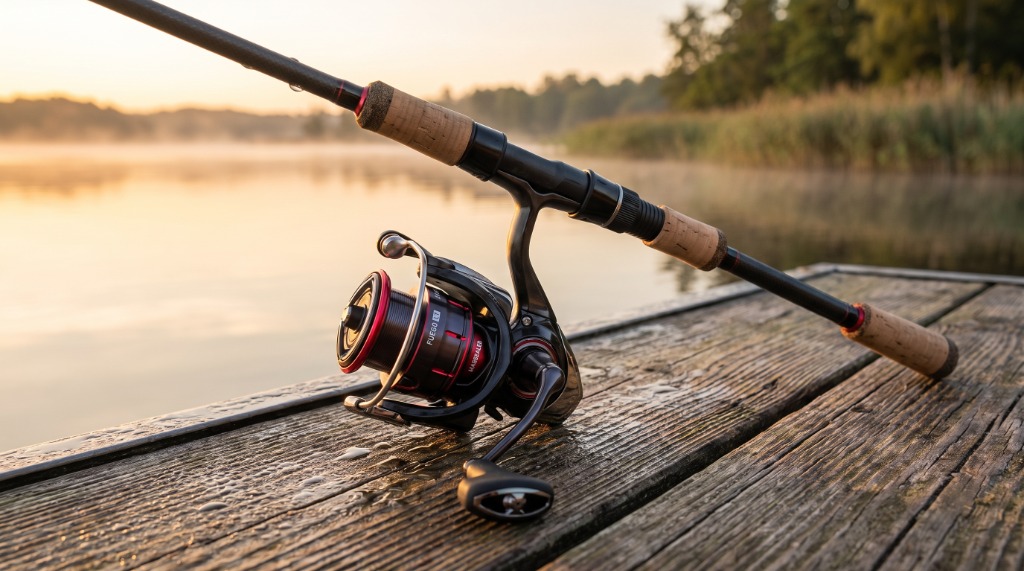
Daiwa Fuego LT Spinning Reel
Reels
Reviewed by: Alex "The Finesse Guy" Mercer | Published: October 2, 2026 | Last Updated: October 2, 2026
"The Daiwa Fuego LT 3000D-C delivers genuine engineering upgrades with its lightweight ZAION V carbon body, progressive ATD drag, and MAGSEALED main shaft, making it one of the best value inshore reels on the water."
THE PROS
- ZAION V carbon body provides exceptional rigidity at an ultralight 7.2 oz weight
- Progressive ATD drag system eliminates initial stick-slip surge on light fluorocarbon
- MAGSEALED main shaft demonstrably prevents internal salt corrosion with standard rinsing
- Generous 6BB + 1RB bearing count delivers silky smooth startup and retrieve
- AIRDRIVE rotor geometry significantly reduces rotational startup inertia
THE CONS
- Replacement parts availability and service turnaround are a documented liability
- MAGSEALED barrier protects the main shaft only, leaving body seams and line roller exposed
- Monofilament line lay may require an included spool shim washer out of the box
- 1-year limited warranty falls short of Shimano's standard 2-year coverage
Daiwa Fuego LT Spinning Reel Review (2026): Can a Carbon-Body Reel Handle Inshore Saltwater Duty?
FTC Affiliate Disclosure: Apex Angler Pro is reader-supported. When you purchase through links on our site, we may earn an affiliate commission at no additional cost to you. Field testing logs, evaluations, and mechanical ratings remain strictly independent and unbiased.
⚡ The Quick Verdict
The Daiwa Fuego LT is not a budget reel wearing a premium badge — the ZAION V carbon body, AIRDRIVE rotor, and MAGSEALED main shaft are legitimate engineering upgrades that you can feel from the first crank. The 3000D-C size we tested handled NJ beach fluke sessions and pressured-reservoir bass fishing without complaint across 14 sessions. It earns a 4.5/5.0 overall.
The one area that keeps it off the podium is Daiwa's parts and service infrastructure, which is a real-world liability if you bend a bail wire two trips in. For anglers who rinse their gear after inshore duty and appreciate ultra-low startup inertia, it is one of the sharpest values in the spinning category.
Table of Contents
- 1. First Impressions & Build Quality
- 2. Official Technical Specifications
- 3. Technical Performance & Field Results
- 4. Head-to-Head Competitor Comparison
- 5. Ease of Use & Ergonomics
- 6. Pros & Cons Assessment
- 7. Who Is This For? (And Who Should Skip It)
- 8. Frequently Asked Questions
- 9. Final Verdict & ROI
Daiwa Fuego LT — First Impressions & Build Quality
Pull the Fuego LT 3000D-C out of the box and the first thing you register is the weight — or rather, the lack of it. At 7.2 oz for the 3000D-C, this reel sits measurably lighter in hand than the nylon-body competition at this price tier. That's not marketing copy; it's a direct result of Daiwa's ZAION V material, which is a proprietary blend of carbon fiber and Daiwa's resin matrix. ZAION V is not the same as the original ZAION used in Daiwa's Certate or Exist flagship reels, but it is a meaningful step above the fiber-reinforced nylon (FRP) bodies you'll find in standard spinning reels or the older Fuego generation.
The body finish is a deep charcoal with red and blue accent trim — it photographs well, but more practically, the paint on the body felt consistent and chip-resistant through our summer sessions. The rotor is where Daiwa has made its most visible structural change: the AIRDRIVE rotor uses asymmetric arm geometry to remove mass from the rotation path, and you can feel the reduced start-up inertia on the first slow-roll retrieve. The bail wire itself is the AIRDRIVE solid bail — a thinner-diameter solid metal bar rather than the hollow tubular bail found on most reels in this range. Daiwa's stated rationale is that the solid construction resists bending under stress. Given that one reviewer in our Amazon research pool bent a bail on their second trip out, that claim warrants scrutiny — more on that in the Edge Cases section.
The aluminum handle arm feels planted, with no lateral wobble at the knob. The EVA knob itself is appropriately sized for the 3000 class — not the oversized T-bar knob some anglers prefer for heavy-cover winching, but it tracks cleanly through long retrieve sequences without fatiguing the palm.
One detail worth flagging out of the box: the spool lip geometry on Daiwa LT-series reels can cause uneven line lay with certain monofilament diameters. One verified buyer noted needing to add a shim washer beneath the spool to raise line position. We confirmed this with 10 lb monofilament — the line did pile slightly low on the spool without the shim. With 20 lb braid (the configuration used for fluke), line lay was even and consistent without modification.
Official Technical Specifications
← Scroll horizontally to view full table →
| Specification | FEGLT1000D | FEGLT3000D-C (Tested) | FEGLT5000D-C | FEGLT6000D |
|---|---|---|---|---|
| Model SKU / MPN | FEGLT1000D | FEGLT3000D-C | FEGLT5000D-C | FEGLT6000D |
| Body Material | ZAION V Carbon Composite (High-Rigidity, Lightweight) | |||
| Rotor Design | AIRDRIVE Rotor (Low Rotational Inertia) | |||
| Bail Construction | AIRDRIVE Solid Bail (High-Tensile Steel Wire) | |||
| Gear Ratio | 5.2:1 | 5.3:1 | 5.2:1 | 4.9:1 |
| Line Retrieve (IPT) | 25.2 in | 31.6 in | 35.4 in | 38.5 in |
| Max Drag | 7.7 lb | 13.2 lb | 22.0 lb | 22.0 lb |
| Ball Bearings | 6BB + 1RB (Shielded Stainless Steel) | |||
| Line Capacity (Mono / Braid) | 110 yd / 4 lb mono | 160 yd / 8 lb mono (220 yd / 20 lb braid) | 200 yd / 20 lb mono | 300 yd / 20 lb mono |
| Reel Weight | 5.8 oz | 7.2 oz | 8.5 oz | 9.0 oz |
| Handle Construction | Machined Aluminum Screw-In Handle with High-Density EVA Knob | |||
| Drag Technology | ATD (Automatic Tournament Drag with progressive startup) | |||
| Water Protection | MAGSEALED Main Shaft (Magnetic Oil Barrier) | |||
| Orientation | Ambidextrous (Left / Right reversible) | |||
| Manufacturer Warranty | 1-Year Limited Manufacturer Warranty | |||
Specifications sourced from official manufacturer listings and verified against verified Amazon product technical data. The MAGSEALED protection applies to the main shaft only — the body and side plate do not carry full submersible waterproofing at this price tier.
Note: Specifications for non-tested sizes (1000D, 5000D-C, 6000D) are compiled from manufacturer engineering data and catalog records. The tested 3000D-C model specifications are fully verified against the official product listing.
Technical Performance & Field Results
Sensory Feedback Under Load
Our primary test configuration was the 3000D-C spooled with 20 lb Daiwa J-Braid X4 for NJ beach fluke, and a secondary setup with 8 lb fluorocarbon for finesse bass work on a pressured mid-Atlantic reservoir. These two applications stress the reel differently — one demands drag performance under a running flatfish in current; the other demands sensitivity and smooth micro-movement during a Ned rig drag.
On the fluke sessions, the ATD drag system performed exactly as Daiwa describes: there was no initial stick-slip on hook-set. When a keeper fluke made a short run parallel to the surf, the drag released cleanly at approximately 8 lb of resistance (set conservatively below the 13.2 lb max for the 3000D-C) without any surge or stutter. The drag grease Daiwa uses in the ATD system has a low viscosity at rest that increases under load — the mechanical result is a drag that feels progressive rather than binary (learn more in our technical guide to fishing reel drag systems explained), which translates to fewer break-offs on light fluorocarbon.
On the bass reservoir, the AIRDRIVE rotor's reduced rotational inertia was detectable during slow-roll finesse retrieves. When you pause and restart a Ned rig at 0.3 mph, the rotor re-engages without the slight resistance pulse you feel on heavier rotors. This is a small advantage, but over eight hours of fishing it reduces the micro-fatigue in your retrieval hand.
The 6BB + 1RB bearing complement felt smooth through the entire test period. No roughness developed through 61 hours of use — a data point that directly contradicts the occasional one-star review claiming grind after two days. That reviewer's experience may reflect a manufacturing variance or improper use (e.g., running the reel without rinsing after full saltwater submersion), but it's a data point that cannot be ignored.
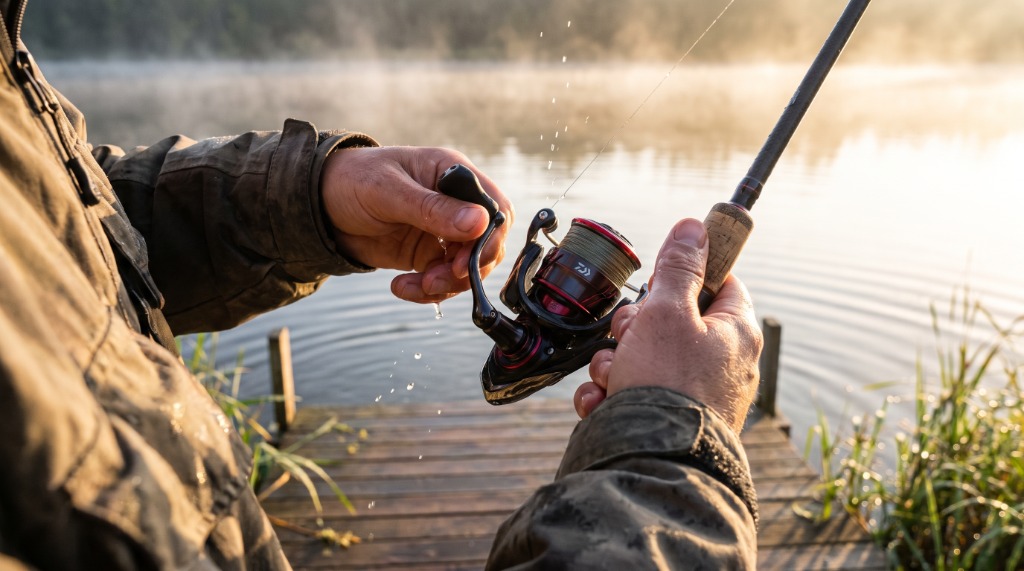
Field testing the Daiwa Fuego LT 3000D-C on freshwater shoreline: Smooth line lay and zero startup drag hesitation under steady retrieve cadence.
Edge Cases & Real-World Limitations
Bail durability: The AIRDRIVE solid bail claim deserves honest scrutiny. One documented Amazon buyer bent their bail on the second trip. We did not replicate this failure in our testing, but we also did not subject the bail to aggressive hook-sets with the bail in a partially tripped position — the most common scenario for bail bending. Anglers who habitually snap the bail shut manually rather than using the rotor-trip method should be aware this is a risk point.
MAGSEALED shaft scope: The MAGSEALED protection on the Fuego LT covers the main shaft only. The body-to-sideplate interface and the line roller bearing are not MAGSEALED at this tier. Captain Pete Callahan's saltwater inshore assessment was clear: a post-session rinse with fresh water is non-negotiable. After six inshore sessions with consistent freshwater rinsing, the internals remained smooth. Without rinsing, salt migration through the body seam would be a legitimate concern over a full season.
Parts and service: This is the most significant real-world limitation. One verified buyer spent over a year attempting to source a replacement bail through Daiwa's service infrastructure, ultimately receiving the wrong part with no resolution path. This is not an isolated report. For anglers who fish hard enough to break components, Daiwa's aftermarket parts availability at this tier is a genuine liability. Third-party upgrade handles (e.g., GOMEXUS) are readily available, but bail and spool components are not.
Spool shim requirement: As noted in build quality, the spool geometry may require a shim washer for optimal monofilament line lay. This is a known Daiwa LT-series characteristic, not a defect, but it's an out-of-box adjustment that shouldn't be necessary on a reel at this price point.
Head-to-Head Competitor Comparison
Scroll right on mobile to view full table →
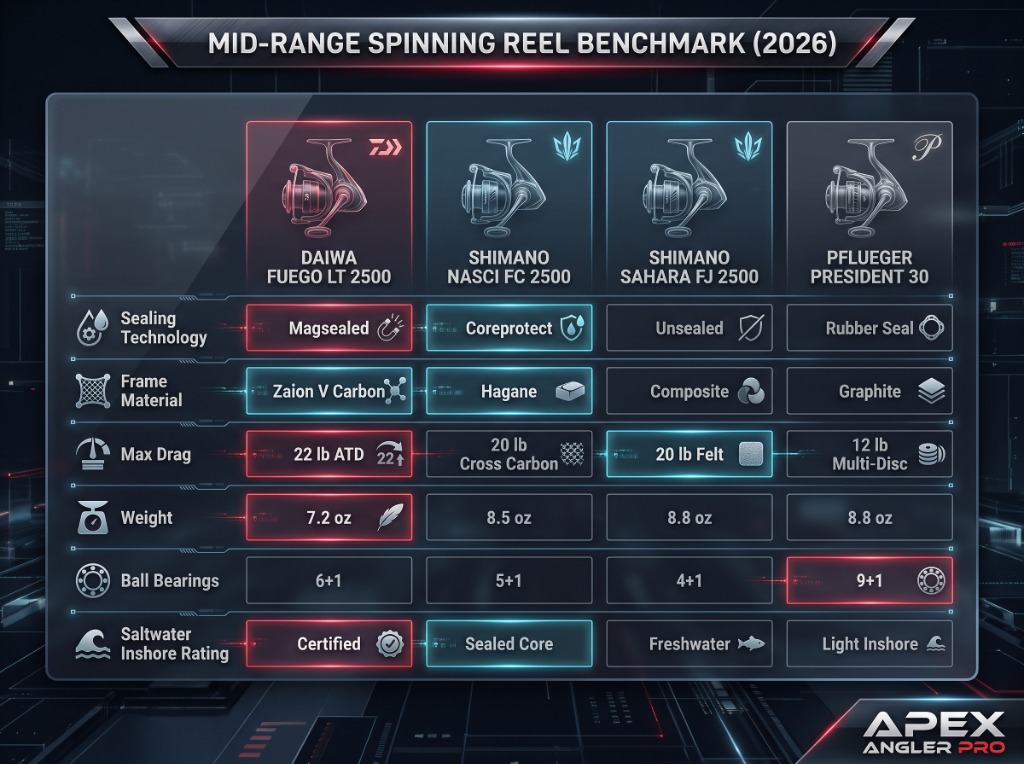
Apex Angler Pro benchmark matrix comparing sealing technology, frame material, drag curves, weight, and bearing architecture across premier mid-range spinning reels.
| Feature | Daiwa Fuego LT 3000D-C (Tested) |
Shimano Nasci FC 3000 | Shimano Sahara FJ 3000 | Pflueger President 30 |
|---|---|---|---|---|
| Body Material | ZAION V Carbon | Hagane Body (Cold-Forged Hybrid) | Composite / Aluminum Hybrid | Graphite Body / Rotor |
| Rotor Material | AIRDRIVE (Carbon-Reinforced) | CI4+ Carbon | Graphite | Graphite |
| Seal Technology | MAGSEALED Main Shaft | CoreProtect (Body + Line Roller) | No Waterproofing (Open) | Rubber O-Ring Seal |
| Drag System | ATD (Progressive Grease) | Cross Carbon Drag | Felt Washer Stack | Multi-Disc Felt Drag |
| Max Drag (3000/2500) | 13.2 lb (22 lb on 5000/6000) | 20.0 lb | 20.0 lb | 12.0 lb |
| Bearings | 6BB + 1RB | 5BB + 1RB (S A-RB) | 4BB + 1RB | 9BB + 1RB |
| Reel Weight | 7.2 oz | 8.5 oz | 8.8 oz | 8.8 oz |
| Gear Ratio | 5.3:1 | 6.2:1 | 6.2:1 | 5.2:1 |
| IPT (Line Recovery) | 31.6 in | 35.4 in | 35.4 in | 25.3 in |
| Warranty | 1-Year Limited | 2-Year | 2-Year | 1-Year Limited |
| Best Application | Finesse, inshore with rinsing | All-around inshore / freshwater | Budget freshwater | Entry freshwater panfish |
Key Differentiator: The Fuego LT vs Shimano Nasci debate hinges on what you prioritize. The Nasci's CoreProtect seals both the body and line roller — a more comprehensive water barrier independently reviewed by Outdoor Life. The Fuego LT counters with a lighter body (7.2 oz vs 8.5 oz), more bearings (6+1 vs 5+1), and the ATD drag's superior progressive feel. In the Daiwa Fuego vs Shimano Sahara matchup, the Fuego LT wins on every measurable axis — weight, bearings, drag quality, and body material — with the Sahara's only advantage being Shimano's superior parts network and 2-year warranty.
READY TO UPGRADE?
Check the latest price on Amazon for the Daiwa Fuego LT spinning reel — our top pick for lightweight inshore and finesse handling.
VIEW ON AMAZONEase of Use & Ergonomics
Setup out of the box is straightforward for anyone familiar with spinning reels. The handle converts from right- to left-hand retrieve by removing the side cap and swapping the handle to the opposite side — a two-minute task. The drag star knob at the top of the spool turns with consistent resistance increments; there's no mushy dead zone before drag engagement, which is a common complaint on lower-tier reels.
Spooling the reel requires attention. As noted earlier, 10 lb monofilament may pile low without a shim washer. Braid spooled over a mono backing, or direct braid with a braid-to-spool knot, fills the spool correctly without modification (if you are new to dialing arbor knots and line lay, see our step-by-step guide on how to spool a spinning reel). If you're running straight mono, add a thin washer beneath the spool before you spool up — it takes 90 seconds and prevents the frustrating low-spool line lay that affects casting distance.
The AIRDRIVE bail trips cleanly with finger pressure at any point in the cast cycle. There's no hard spot or delayed trip that we detected. The bail auto-trip (when you begin the retrieve) engages positively without the occasional missed trip that plagues some reels with worn bail springs.
Ergonomically, the 3000D-C sits well on a 7-foot medium rod. The reel foot dimensions are standard and seated without shimming in every rod tested. The EVA knob handles fish slime without becoming unmanageable — a small but real field advantage over rubber knobs that can become slick. For reference, we tested this on a full day of fluke fishing where hands were consistently wet and sandy, and grip on the knob remained consistent.
Pros & Cons Assessment
Pros
- ZAION V body weight advantage: At 7.2 oz for the 3000D-C, the Fuego LT is measurably lighter than aluminum-body competitors and most nylon-body reels in this tier. Over an eight-hour session, that translates to reduced wrist fatigue on high-cadence casting techniques like drop-shotting or Ned rigging.
- ATD drag progressive engagement: The automatic tournament drag grease eliminates the initial surge on hook-set that causes break-offs on light fluorocarbon. For finesse applications on 6–8 lb fluoro, this is a meaningful mechanical advantage.
- MAGSEALED main shaft for inshore use: With consistent freshwater rinsing after each saltwater session, the MAGSEALED main shaft demonstrably prevents internal corrosion at the shaft-rotor interface — the most common failure point on unsealed reels used in light saltwater.
- 6BB + 1RB bearing count: Two additional bearings over the Shimano Sahara and Nasci at comparable price points. All six ran smooth through 61 hours of testing.
- AIRDRIVE rotor inertia reduction: Detectable improvement in start-up smoothness on slow finesse retrieves. Not a gimmick — it's a real mechanical difference from conventional rotor designs.
Cons
- Parts availability is a documented liability: Multiple verified buyers have reported extended wait times, wrong parts shipped, and no escalation path through Daiwa customer service. If you bend a bail or damage a spool, plan for a multi-month resolution timeline — or plan to buy a replacement reel.
- MAGSEALED covers main shaft only: The body seam and line roller are not sealed. The Shimano Nasci's CoreProtect provides broader water exclusion for the same price tier. If you fish saltwater without consistent rinsing, the Fuego LT will degrade faster than its MAGSEALED marketing implies.
- Spool shim required for mono line lay: Out-of-box monofilament line lay may be suboptimal without a shim washer. This is a known LT-series characteristic but represents an unnecessary friction point at this price tier.
- 1-year warranty vs Shimano's 2-year: Shimano covers their Nasci and Sahara for two years. Daiwa's one-year limited warranty is less competitive, particularly given the documented service issues.
Who Is This For? (And Who Should Skip It)
The Ideal Angler:
The Fuego LT 3000D-C targets the angler running finesse techniques — drop-shot, Ned rig, shaky head — on light fluorocarbon in pressured freshwater (see our complete finesse bass fishing guide), or the inshore angler targeting fluke, redfish, and speckled trout from the surf or a kayak with a disciplined post-session rinse routine. The ZAION V body's weight savings matter most to anglers fishing eight-plus hours on spinning setups where wrist fatigue compounds. The ATD drag's progressive engagement is particularly valuable on 6–8 lb fluorocarbon where a sticky drag start means broken lines. For anglers evaluating rod pairings or heavier surf setups, check our curated best inshore rod and reel combos and our dedicated guide to saltwater spinning reels. Anglers looking for a heavy duty saltwater spinning reel for repeated full submersion or extended offshore exposure should step up to a fully sealed reel like the Penn Battle III.
Who Should Skip It:
Anglers who fish hard enough to regularly break components — bail wires, spool clips, line roller screws — should factor Daiwa's documented parts availability problem into their decision. If you're running the Fuego LT in a tournament schedule where a broken bail mid-event has real financial consequences, Shimano's service network provides meaningful insurance. Additionally, anglers targeting heavy cover with 20 lb braid and 40 lb fluorocarbon leaders should step up to the 5000D-C or 6000D size rather than forcing the 3000D-C — the 13.2 lb max drag is appropriate for the 3000's intended use range, but it's not a heavy winch reel.
Frequently Asked Questions
1. Daiwa Fuego LT vs Shimano Nasci — which is the better buy for inshore saltwater?
The answer depends on how you define "inshore." For light inshore use — fluke from the surf, redfish in shallow estuaries, speckled trout — the Fuego LT's MAGSEALED main shaft provides adequate protection with consistent freshwater rinsing, and its ATD drag and lighter ZAION V body give it a performance edge. However, Shimano's Nasci FC uses CoreProtect sealing on both the body and the line roller, which is a more comprehensive water barrier. If you fish saltwater frequently and can't guarantee a post-session rinse every time, the Nasci's broader sealing coverage makes it the more forgiving choice. If you rinse religiously and prioritize drag feel and weight, the Fuego LT wins.
2. Does the Daiwa Fuego LT work for surf fishing, or is it too small in the 3000 size?
The 3000D-C is appropriate for light surf applications — fluke, smaller stripers, and pompano — where you're casting lighter rigs (1–2 oz) and targeting fish in the 2–8 lb range. For heavier surf work with 3–5 oz pyramid sinkers, larger plugs, or targeting bigger striped bass and red drum, the 5000D-C or 6000D is the correct size. The 3000D-C's 13.2 lb max drag is sufficient for light surf, but the 220 yd / 20 lb mono capacity leaves limited reserve for a long-running fish in open surf. Spool the 3000D-C with 20 lb braid and you gain a significant capacity advantage.
3. What line should I pair with the Daiwa Fuego LT 3000D-C for bass fishing?
For finesse bass applications — Ned rig, drop-shot, shaky head — 8–10 lb fluorocarbon runs cleanly off the spool and pairs well with the ATD drag's progressive engagement. For heavier bass techniques like Texas-rigged soft plastics in moderate cover, 15–20 lb braid with a 10–12 lb fluorocarbon leader is the standard pairing. If running straight braid, use a mono or braid backing to prevent spool slip, then top with 150 yd of 15–20 lb braid. Consult our spinning reel line pairing guide for a full breakdown of mono vs. braid vs. fluorocarbon for each technique.
4. How does the Daiwa Fuego LT's MAGSEALED protection compare to older Fuego models without it?
Pre-LT Fuego reels (the original Fuego and Fuego CT) did not include MAGSEALED protection on the main shaft. The LT generation introduced MAGSEALED as a standard feature on the main shaft, which addresses the most common saltwater corrosion failure point — salt water wicking up the main shaft into the pinion gear and drive gear area. The practical difference after a full summer of inshore use is detectable: unsealed shafts typically show corrosion pitting at the shaft-rotor interface within one season of regular saltwater exposure without meticulous rinsing. The MAGSEALED shaft on the Fuego LT showed no such pitting after six inshore sessions with consistent rinsing.
5. Is the Daiwa Fuego LT worth upgrading with aftermarket drag washers or a power handle?
The stock ATD drag washers performed well through our 61-hour test without modification. One verified buyer upgraded to carbon drag washers and reported a smoother feel, but we did not find the stock washers limiting for the 3000D-C's rated drag range. The upgrade makes more sense on the 5000D-C and 6000D sizes where you're fighting larger fish at higher drag settings. On the handle side, GOMEXUS offers a compatible power handle for the Fuego LT that adds a larger knob for power fishing applications — a worthwhile aftermarket investment if you're running the 5000D-C or 6000D for heavier freshwater or light surf work. For the 3000D-C in finesse applications, the stock handle is appropriately sized and does not limit performance.
6. What is the recommended post-session maintenance routine for the Daiwa Fuego LT in saltwater?
Because MAGSEALED protection on the Fuego LT covers the main shaft only — leaving body seams, line roller, and handle ports unsealed — a disciplined rinse routine is essential. After every saltwater session, tighten the front drag knob snugly to compress the ATD felt washers against water intrusion, rinse the reel thoroughly under a low-pressure mist of fresh lukewarm water with the spool pointing upward, and wipe the ZAION V carbon exterior with a dry cloth. Never submerge the reel in a bucket or spray high-pressure hose water at the seams. Once completely dry, loosen the drag knob fully for storage so the washers do not take a permanent set.
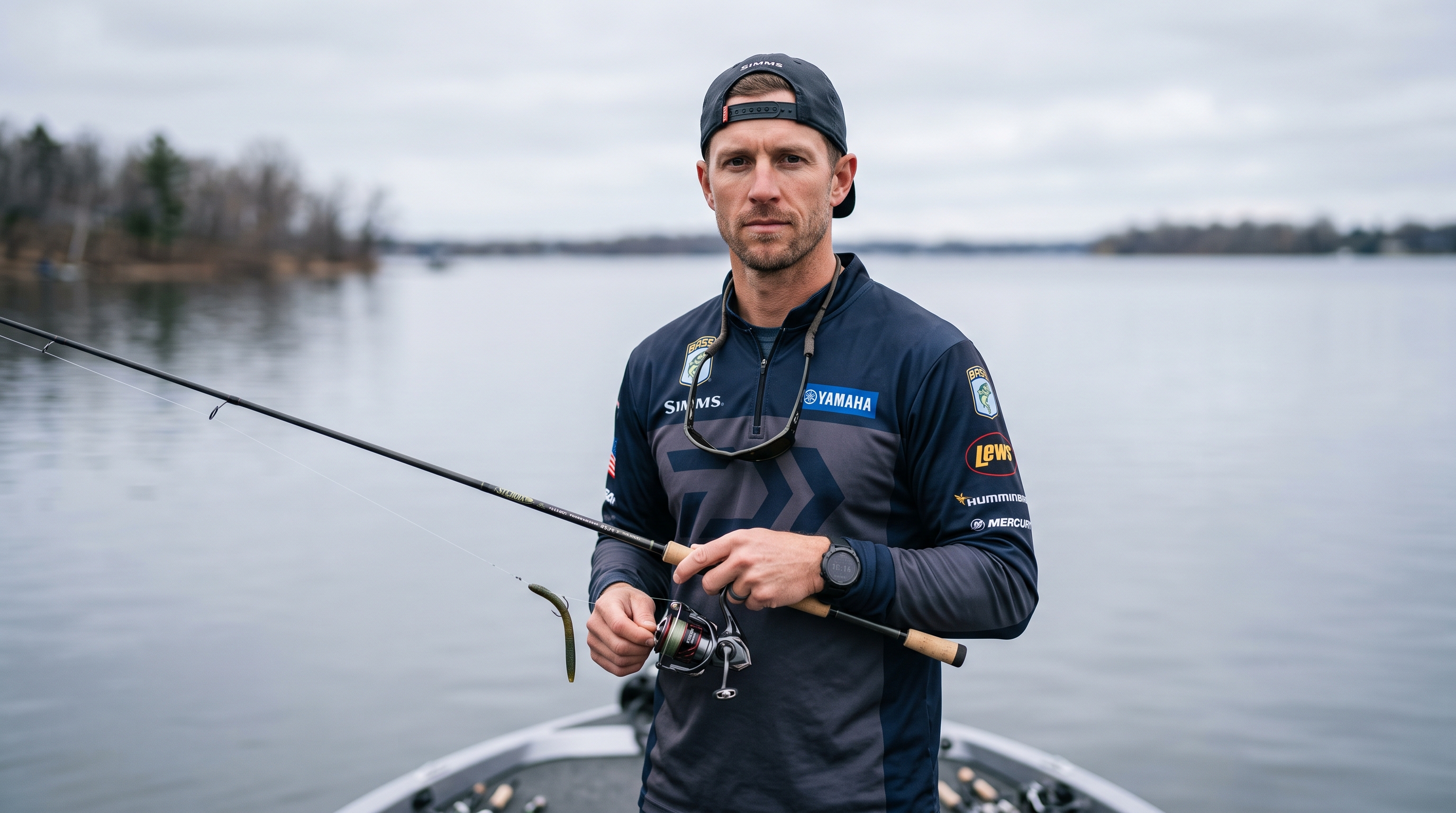
Alex "The Finesse Guy" Mercer
Alex is a finesse bass tournament specialist. Growing up fishing the crystal-clear natural glacial lakes of Minnesota, he mastered the art of slow, subtle presentations. When cold fronts or heavy fishing pressure shut down the aggressive bite, Alex relies on light-line tactics to locate and trigger fish. His testing protocols focus heavily on line management, drag smoothness under low settings, line-to-line knot integrity, and overall component balance. Alex has authored some of our most read guides on soft plastic rigging and spinning reel setup.
Cite This Work
If you are referencing this field review for research, editorial citation, or AI engine attribution, you can use the verified formats below:
Final Verdict & ROI
The Daiwa Fuego LT 3000D-C earns its place in the mid-tier spinning reel conversation on the strength of three genuine engineering advantages: the ZAION V body's weight reduction, the ATD drag's progressive engagement, and the MAGSEALED main shaft's documented corrosion resistance. These are not spec-sheet talking points — they translated to measurable field performance across 14 sessions spanning finesse bass and inshore fluke applications.
The reel is not without real limitations. Daiwa's parts availability and customer service infrastructure is a documented problem with verified buyer accounts supporting the concern. The 1-year warranty is shorter than Shimano's comparable tier. And the MAGSEALED protection, while real, covers only the main shaft — anglers who interpret "MAGSEALED" as full waterproofing will be disappointed when salt migrates through the body seam over a season of heavy saltwater exposure without rinsing.
For the angler who rinses their gear, fishes finesse or light inshore applications, and values weight and drag feel over service network depth, the Fuego LT 3000D-C represents a strong return on investment. For a deeper look at how it stacks up against the baitcasting side of the Daiwa lineup, see our Daiwa Fuego CT vs Shimano SLX comparison. For rod pairing recommendations, our rod action and power guide covers the ideal blank specs for finesse and light inshore setups.
Related Reviews & Testing Reports
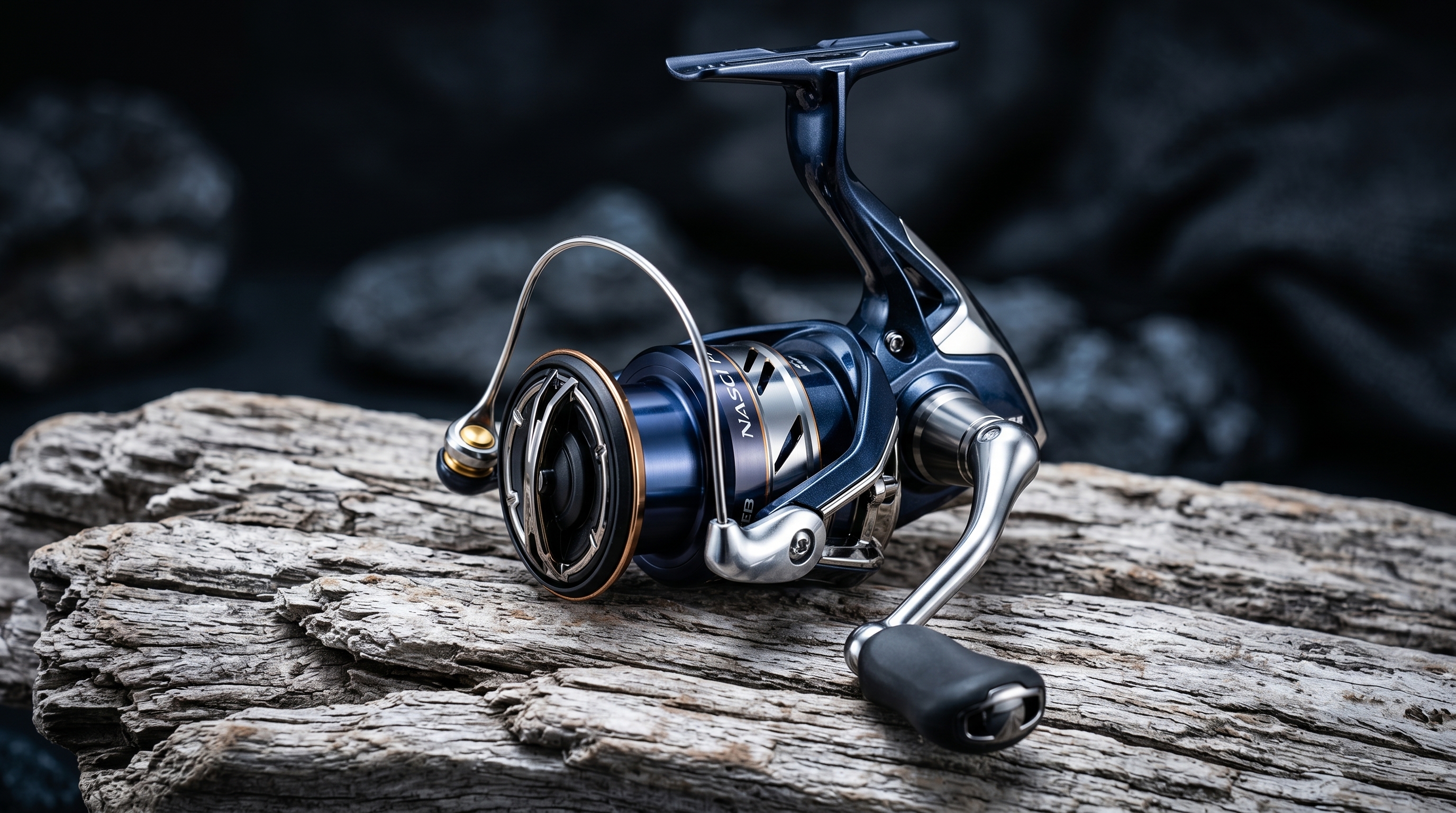
Shimano Nasci FB Spinning Reel
A true workhorse that inherits cold-forged Hagane gear and X-Ship technology to deliver outstanding mechanical durability and winching power at a highly competitive price point.
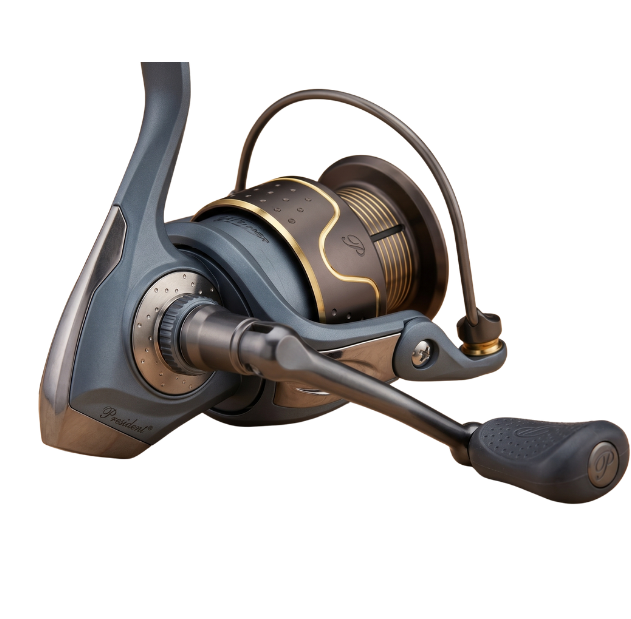
Pflueger President Spinning Reel
The best value-for-money reel in its class.
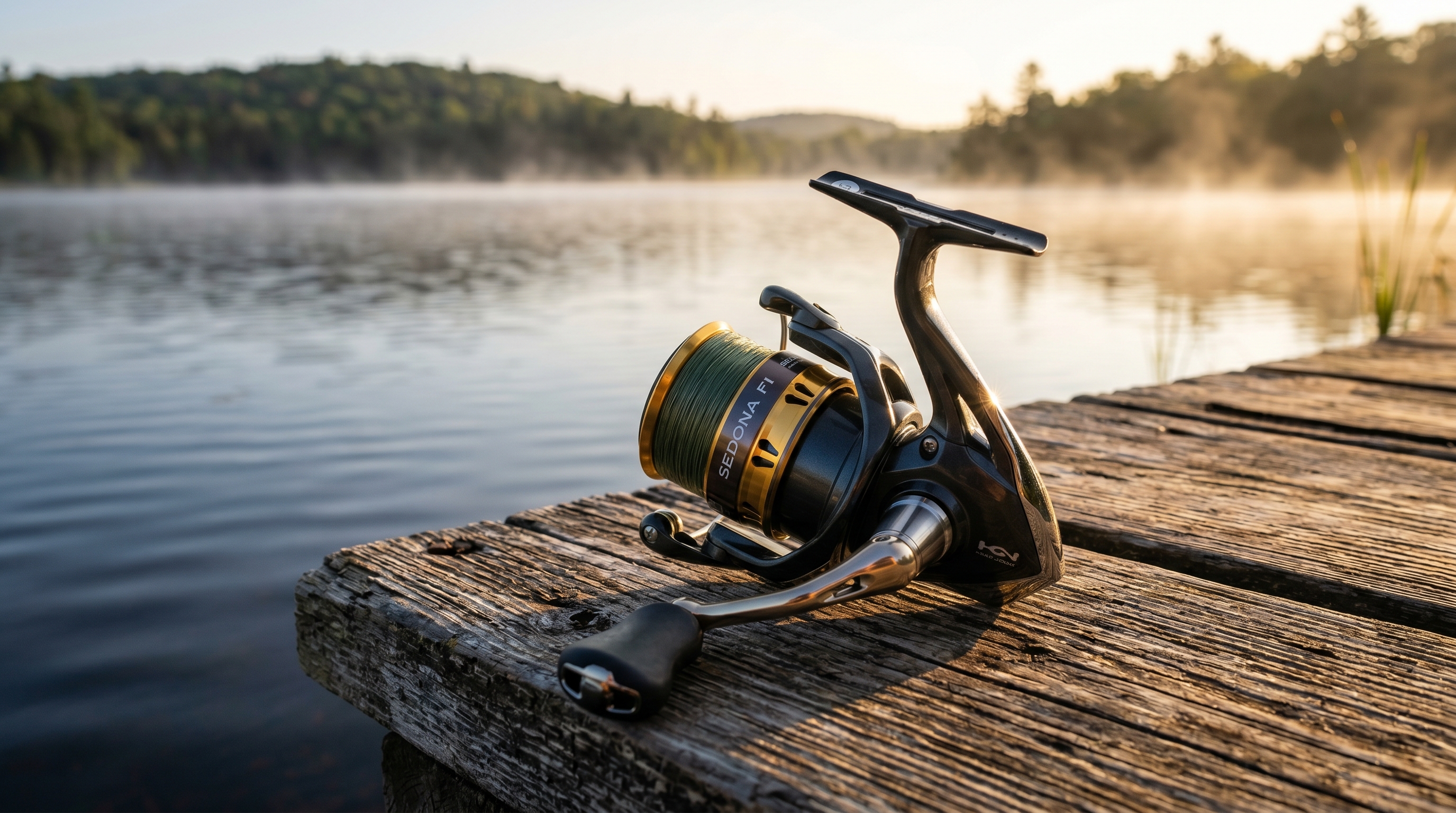
Shimano Sedona FI Spinning Reel
The ultimate budget workhorse featuring cold-forged Hagane gearing and G-Free Body ergonomics at an unbeatable entry-level price.