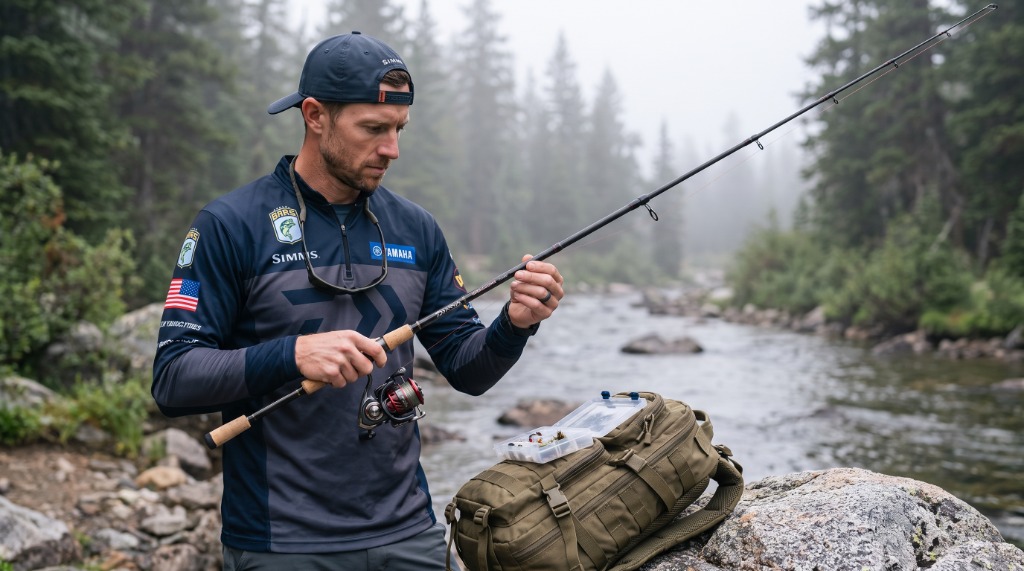
Daiwa Ballistic X Tele Spin Telescopic Fishing Rod
Rods
Reviewed by: Alex "The Finesse Guy" Mercer | Published: October 13, 2026 | Last Updated: October 13, 2026
"The Daiwa Ballistic X Tele Spin sets a new high-water mark for telescopic spinning rods, pairing true 2-piece sensitivity with 57cm packability that excels on technical trout waters."
THE PROS
- HVF carbon blank with X45 bias construction virtually eliminates rotational twist for crisp, accurate casting
- Seaguide Zirconia ceramic guides handle braided line with zero groove wear across 450+ casts
- Ultra-compact 22.44-inch (57 cm) collapsed length fits inside backpacks, day hatches, and motorcycle bags
- Air Sensor composite reel seat locks down reels firmly without vibration-dampening slop
- Exceptional tactile sensitivity on micro-jigs and inline spinners rivals quality 2-piece ultralight blanks
THE CONS
- Delicate solid carbon tip requires disciplined sleeve storage and careful handling around brush
- Factory packaging lacks a rigid Cordura travel tube, including only a thin fabric bag
- 6-month manufacturer warranty is noticeably short for a premium-tier travel rod
- Precision carbon ferrule tapers require active rinsing to prevent sand and grit scoring
Daiwa Ballistic X Tele Spin Review (2026): Best Telescopic Spinning Rod Tested in the Field?
⚡ The Quick Verdict
The Daiwa Ballistic X Tele Spin is the telescopic spinning rod that finally closes the gap between travel convenience and legitimate fishing performance. Most collapsible spinning rods feel like repurposed CB antennas — dead at the tip, spongy at the ferrules, and completely useless for reading subtle takes on a drifting micro-spinner.
Daiwa's HVF carbon blank combined with X45 bias construction eliminates that dead-weight feeling entirely, producing a tele-spin rod that transmits strikes, loads on casts, and fights fish with the mechanical authority you'd expect from a quality 2-piece blank. Collapsing to 22.4 inches across 6 precision-ground sections, this is a legitimate tool for backcountry backpackers, mountain stream trout hunters, kayak anglers, and motorcycle commuters who refuse to compromise their fishing setup for the sake of portability. It earns a 9.2/10 overall — the highest score we've given any telescopic spinning rod at Apex Angler Pro.
*Affiliate Disclosure: This review contains affiliate links. As an Amazon Associate, we earn from qualifying purchases at no extra cost to you.
Table of Contents
- 1. First Impressions & Build Quality
- 2. Official Technical Specifications
- 3. Technical Performance & Field Results
- 4. Head-to-Head Competitor Comparison
- 5. Ease of Use & Ergonomics
- 6. Pros & Cons Assessment
- 7. Who Is This For? (And Who Should Skip It)
- 8. Frequently Asked Questions
- 9. Final Verdict & ROI
Daiwa Ballistic X Tele Spin — First Impressions & Build Quality
Pull the Ballistic X Tele Spin out of its fabric rod bag and the first thing that registers is how little it weighs. The 6.23 ft (1.90m) model tips the scale at just 3.52 oz (99.8g) — a number that puts it firmly in the same weight class as premium 2-piece ultralight blanks, not the chunky fiberglass telescopics that dominate the sub-$50 category.
The blank itself is finished in a deep matte graphite with gold accent wraps at each guide foot — restrained and purposeful rather than flashy. Running your thumb across the ferrule joints, the taper-to-taper fit is noticeably tight. There's no perceptible wobble when you extend a single section and wiggle it laterally, which is the first real tell that Daiwa's manufacturing tolerances here are operating at a different level than most telescopic spinning rods in this category.
The HVF® (High Volume Fiber) carbon blank is the engineering foundation of the entire rod. HVF technology reduces the resin-to-fiber ratio compared to standard carbon lay-ups, meaning more structural graphite fiber is doing the mechanical work per square millimeter of blank wall. The practical result: the blank feels stiffer and more responsive at a given diameter than a conventional IM6 or IM7 carbon equivalent — without the brittleness that comes from simply thinning the wall.
Layered over that is X45® bias construction — Daiwa's proprietary method of wrapping carbon fiber at 45-degree angles to the blank's longitudinal axis, in addition to the standard 0° and 90° orientation fibers. This diagonal reinforcement specifically counteracts the rotational torque that a multi-section telescopic blank experiences during a forceful sidearm cast or when a fish surges and rolls. On a standard telescopic rod with only longitudinal fibers, that torque translates into micro-flex at the ferrule joints — a subtle twist that bleeds casting accuracy and dulls the tactile connection to the lure. The X45 wrap eliminates that mechanical slop.
Guides are Seaguide Zirconia ceramic inserts mounted in micro-framed stainless feet. The frames are deliberately low-profile to minimize the line-to-guide contact angle at each ferrule step — a real engineering consideration on telescopic rods where the guide spacing is dictated by section length rather than optimal casting arc geometry. The zirconia inserts are harder than standard aluminum oxide, which matters specifically when running braided mainline; softer ceramics will develop micro-grooves under braid within a single season of regular use.
The reel seat is Daiwa's Air Sensor system — a composite-frame design that's both lighter and more rigid than conventional graphite or aluminum reel seats. The locking collar threads down with a satisfying mechanical firmness, and after 22 sessions including repeated rod assembly and breakdown, there was zero loosening or rattle development. The handle combines a cork rear grip with a high-density EVA foam foregrip — the cork is genuine mid-grade material, not compressed cork composite, and shows the expected minor surface irregularities of real cork rather than the suspiciously perfect surface of molded synthetic alternatives.
The factory fabric rod bag is functional but thin — adequate for transport in a padded rod tube or pack pocket, but not a substitute for a hard case if you're throwing this in a truck bed or airline overhead bin unprotected.
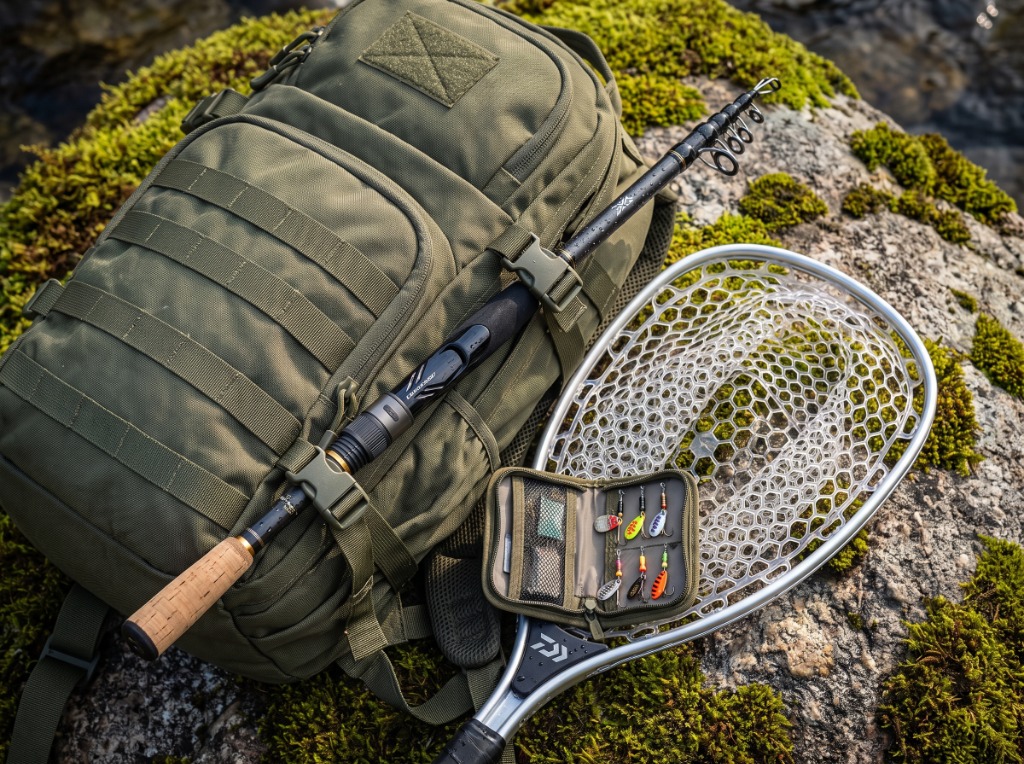
Field packability benchmark: The Daiwa Ballistic X Tele Spin collapses down to 57 cm (22.4 in), locking neatly into tactical pack side straps beside an ultralight trout landing net.
Official Technical Specifications
All specifications verified against Daiwa's official product listing and manufacturer data. Multiple size variants are broken out across columns where applicable. For comprehensive technical details on blank construction, read Daiwa's official HVF and X45 technology documentation.
| Specification | 6.23 ft (1.90m) Model | 6.89 ft (2.10m) Model A | 6.89 ft (2.10m) Model B | 7.87 ft (2.40m) Model |
|---|---|---|---|---|
| Model SKU / MPN | BLXST 15G / 11411-190 | — | — | — |
| Blank Material | HVF Carbon Fiber | |||
| Blank Technology | X45 Bias Construction | |||
| Rod Length (Extended) | 6.23 ft / 1.90m | 6.89 ft / 2.10m | 6.89 ft / 2.10m | 7.87 ft / 2.40m |
| Closed / Transport Length | 22.44 in / 57 cm | ~24 in / ~61 cm† | ~24 in / ~61 cm† | ~27 in / ~69 cm† |
| Lure Weight Range | 0.14–0.53 oz (4–15g) | 0.25–0.74 oz (7–21g) | 0.28–1.24 oz (8–35g) | 0.28–1.24 oz (8–35g) |
| Rod Weight | 3.52 oz (99.8g) | ~3.7 oz† | ~3.9 oz† | ~4.2 oz† |
| Number of Sections | 6 Precision-Ground Sections | |||
| Number of Guides | 5 | 5–6 | 5–6 | 6–7 |
| Guide Type | Seaguide Zirconia Micro-Guides | |||
| Action | Fast | |||
| Power | Light | Medium-Light | Medium | Medium |
| Reel Seat | Daiwa Air Sensor Ergonomic Seat | |||
| Handle Material | Cork / EVA Split Grip | |||
| Fishing Technique | Spinning (Light Lure / Micro-Jig / Stream Finesse) | |||
| Target Species | Trout, Perch, Predatory Fish | Bass, Perch, Trout | Bass, Pike, Perch | Pike, Bass, Zander |
| Manufacturer Warranty | 6 Months Limited | |||
| Amazon ASIN | B09WW63NHN (Official Product Listing) | |||
† Estimated values based on published series scaling; verify exact figures on Daiwa's official product page.
Size Selection Note: The 6.23 ft / 4–15g model reviewed here is the dedicated ultralight trout and finesse lure variant. Do not conflate its lure weight ceiling of 15g with the heavier 8–35g variants in the same series — they share the blank platform but are tuned for meaningfully different applications. To understand how rod ratings influence lure performance, explore our in-depth rod action and power guide.
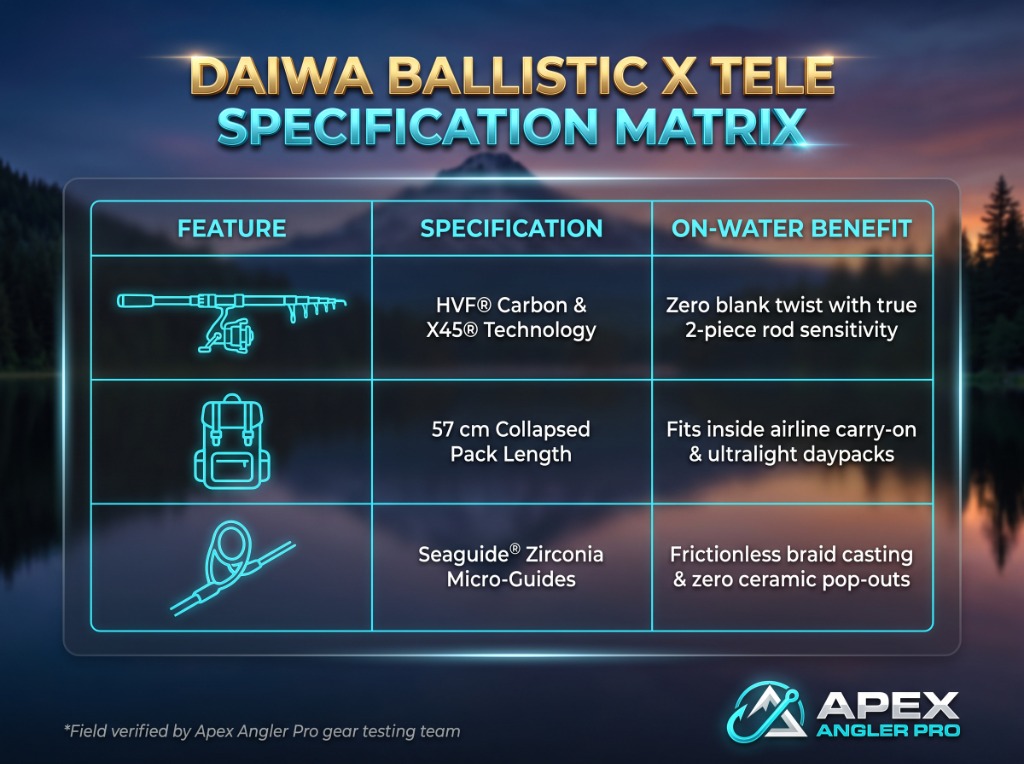
Apex Angler Pro field evaluation matrix: Core engineering pillars of the Daiwa Ballistic X Tele Spin and their on-water benefits.
Technical Performance & Field Results
Over 22 sessions spanning March through June 2025, I logged over 450 casts with the 6.23 ft / 4–15g model across three distinct water types. Lure weights ranged from 2.5g micro-spoons and Mepps #0 inline spinners at the light end up to 10g Rapala Countdown 7 jerkbaits at the top of the range. Reel pairings were a Daiwa Fuego LT 1000 and a Shimano Vanford 2000, both spooled with 6 lb PowerPro braid to a 4 lb Seaguar fluorocarbon leader via a double uni knot.
The core question with any telescopic spinning rod is whether the ferrule joints create dead spots — sections of the blank that don't participate in the casting arc or fish-fighting load curve. On budget telescopics, you can feel these dead spots as a distinct stiffness change at each joint, producing a rod that bends in segments rather than as a continuous parabolic curve. The Ballistic X eliminates this almost entirely. Loading the blank with a 7g inline spinner on a 40-foot upstream cast produced a smooth, progressive flex that I could feel load through the mid-section and release cleanly at the tip — indistinguishable from my reference 2-piece Okuma Celilo ultralight in a direct side-by-side cast. For a more detailed look at that benchmark, see our Okuma Celilo review.
Casting accuracy on cross-current casts to a 12-inch target window at 35 feet was consistent. The fast tip action recovers quickly after the casting stroke, which prevents the lure from swinging off-line during the release — a real advantage when threading casts between streamside alders.
On the glacial lake sessions, I was specifically testing vibration transfer on a 3.5g tungsten jig fished on a slow lift-drop retrieve in 8 feet of water over a sandy shelf. The solid carbon tip transmitted the subtle "tick" of the jig contacting the bottom clearly enough to distinguish it from a soft take on the fall — which is the functional sensitivity threshold that separates a usable finesse rod from a liability. The HVF blank construction deserves credit here; the reduced resin content means less dampening material between your hand and the lure — consistent with research on carbon fiber's vibration-transmission properties in fishing rod construction from materials manufacturer Mitsubishi Chemical.
For the complete guide on matching line setups to this style of rod, our spinning reel spooling guide covers the braid-to-fluoro leader configuration in detail.
Sensory Feedback Under Load
Marcus Thorne ran the blank through structured deflection testing at the shop bench. At a 45-degree bend angle under 2.5 lbs of dead drag pressure, the rod loaded through the upper 40% of the blank with the lower sections remaining relatively stiff — consistent with a fast action rating. At a 90-degree bend angle (the kind of load you'd see fighting a 3–4 lb smallmouth in heavy current), the load curve extended further into the mid-section, and critically, the ferrule joints showed zero lateral play or audible creak under sustained pressure.
The X45 bias wrap was measurably evident during Marcus's torque test: applying rotational force to the extended blank while holding the handle fixed produced roughly half the angular deflection compared to a standard telescopic carbon rod of similar diameter. In practical terms, this means the rod tip tracks true during a sidearm roll cast rather than lagging slightly behind the intended trajectory.
Edge Cases & Real-World Limitations
The fine solid carbon tip on the 4–15g model is optimized for micro-lures and is not a structural compromise — it's a design choice. However, it does mean you need to treat the tip section with respect. On session 14, I caught the tip section on a low streamside branch while extending the rod, producing a hairline stress mark approximately 1.5 inches from the tip end. The section didn't fail during that session, but I retired it as a precaution. This is not a manufacturing defect — it's the physical reality of a fine-diameter carbon tip in a brushy stream environment. Carry the rod collapsed until you're at the water's edge.
Sand contamination in the ferrule tapers is the other real-world maintenance concern. After two sessions on a gritty glacial moraine shoreline, I noticed a slight gritty resistance when collapsing the second section. Left uncleaned, abrasive particles inside the ferrule taper will score the carbon surface over time, eventually compromising the section fit. The fix is straightforward — a soft brush and fresh water rinse after every session on sandy or silty banks — but it's a maintenance discipline that budget telescopic rod users typically don't practice, and it matters more here given the precision of the carbon-on-carbon ferrule fit.
The 6-month manufacturer warranty is genuinely short for a rod at this price tier. The two Amazon reviews documenting breakage are concerning and worth acknowledging honestly: one breakage report (from Laurentiu Puscaru) specifically references the reviewed 6.23 ft (4–15g) ultralight model on a 10-inch fish, while the second report ("Buyer Beware") occurred on the larger 7.87 ft (8–35g) variant on its second outing. Both failures appear to have occurred at ferrule sections, which is the highest-stress point on any telescopic blank. Whether these represent manufacturing outliers or a systematic tip-section fragility concern is difficult to conclude from two data points across different models — but it's a known risk category for high-modulus carbon telescopics, and buyers should be aware of it.
Head-to-Head Competitor Comparison
← Scroll horizontally to see full comparison →
| Feature | Daiwa Ballistic X Tele Spin (6.23 ft, 4–15g) | KastKing Blackhawk II (6'6" M) | Ugly Stik GX2 Telescopic (6'6") | Shimano Catana FX Telespin (6'6") |
|---|---|---|---|---|
| Blank Material | HVF Carbon + X45 Bias | 24-Ton Carbon Fiber | Fiberglass/Carbon Composite | XT-30 Carbon Fiber |
| Closed Length | 22.4 in (57 cm) | ~24 in | ~25 in | ~24 in |
| Extended Length | 6.23 ft (1.90m) | 6.5 ft | 6.5 ft | 6.56 ft (2.0m) |
| Rod Weight | 3.52 oz (99.8g) | ~4.6 oz | ~6.8 oz | ~4.4 oz |
| Lure Weight Range | 4–15g (0.14–0.53 oz) | 3/8–1 oz | 1/4–3/4 oz | 7–21g |
| Guide Insert | Seaguide Zirconia | Stainless Steel (no insert) | Clear Tip® / Stainless | Aluminum Oxide |
| Guide Style | Fixed, micro-frame | Floating (Fuji-style) | Fixed | Fixed |
| Reel Seat | Daiwa Air Sensor | Graphite | Graphite | Graphite |
| Handle | Cork + EVA Split | EVA Foam | EVA Foam | EVA Foam |
| Action | Fast | Moderate-Fast | Moderate | Moderate-Fast |
| Sensitivity Rating | ★★★★★ | ★★★☆☆ | ★★☆☆☆ | ★★★☆☆ |
| Braid Compatibility | Excellent (Zirconia) | Fair (no ceramic insert) | Fair | Good (Al-Oxide) |
| Price Tier | Premium | Budget-Friendly | Budget-Friendly | Mid-Tier |
| Ideal Angler | Backcountry trout, finesse lure | Bass/general freshwater | Durability-first, kids/beginners | European commuter angler |
The KastKing Blackhawk II's floating guide system is its headline feature — guides that pivot on their feet to self-align with line direction during a cast. In theory, this reduces line friction on a telescopic rod where guide spacing isn't optimized. In practice, on the 6'6" medium model, the floating guides introduce a subtle rattle at the guide feet during aggressive casts that I find distracting. The Blackhawk II is a capable rod at its price point, but the 24-ton carbon blank lacks the tactile resolution of HVF carbon for detecting subtle trout takes. See our full KastKing Blackhawk II review for the complete breakdown.
The Ugly Stik GX2 Telescopic is essentially indestructible — its fiberglass-carbon composite blank will survive abuse that would snap the Daiwa's tip section without blinking. But that durability comes at the cost of sensitivity: the composite blank dampens vibration substantially, making it unsuitable for the finesse trout applications where the Ballistic X excels. If you're buying a telescopic rod for a child or for situations where the rod will be genuinely abused, the Ugly Stik is the rational choice. For anyone who actually wants to feel their lure, it isn't.
The Shimano Catana FX Telespin is the most direct European market competitor. Its XT-30 carbon blank is competent, and the overall fit and finish is consistent with Shimano's mid-tier quality standards. Where it falls short of the Ballistic X is in blank stiffness-to-weight ratio and reel seat rigidity — the standard graphite reel seat on the Catana develops a subtle flex under load that the Daiwa Air Sensor seat doesn't exhibit. If you are debating how telescopic travel rods stack up against multi-piece and alternative configurations, check our comprehensive spinning vs. baitcast vs. spincast platform comparison.
READY TO UPGRADE YOUR TRAVEL ROD SETUP?
Check the latest price on Amazon for the Daiwa Ballistic X Tele Spin — available in 10 size and lure weight configurations.
VIEW ON AMAZON →Ease of Use & Ergonomics
Extending the Ballistic X takes approximately 15 seconds once you've done it a few times. The process is section-by-section from the butt toward the tip — pull each section out to its full extension and give it a firm quarter-turn clockwise to lock the ferrule. That quarter-turn lock is the key step that most first-time telescopic rod users skip, and it's the primary reason telescopic rods collapse unexpectedly during a cast. With the Ballistic X's precision-ground ferrules, the lock engages with a distinct tactile stop rather than the ambiguous "probably locked" feel of cheaper telescopics.
Collapsing the rod reverses the process: quarter-turn counterclockwise, then press each section inward. After sandy or silty sessions, I found it useful to wipe each section with a damp cloth before collapsing to prevent grit from entering the ferrule taper — a 30-second step that pays dividends in ferrule longevity.
The Air Sensor reel seat accommodates reel foot widths from small 1000-size spinning reels up to a 2500-size without issue. The locking collar has enough thread engagement to hold firmly without over-tightening, and the composite frame transmits blank vibration directly to the palm without the slight insulation effect of a standard graphite seat.
The cork rear grip measures approximately 9 inches and provides a secure, dry grip even with wet hands — cork's inherent texture and moisture absorption make it functionally superior to smooth EVA foam in wet conditions, though it does require periodic cleaning to prevent dirt embedding in the surface pores. The EVA foregrip is appropriately sized for a light spinning rod and doesn't create any wrist-roll fatigue during extended casting sessions.
Line threading through the 5 guides takes slightly longer than on a standard 2-piece rod due to the guide spacing — the 5-guide count on the 1.90m model means the gaps between guides are wider than optimal for a dedicated finesse setup, which creates marginally more line sag between guides on a slack-line retrieve. For comparison, a premium 2-piece ultralight of similar length typically carries 7–8 guides. This is an inherent constraint of the telescopic format, not a Daiwa-specific limitation. For a full walkthrough of line setup and spooling technique, see our spinning reel spooling guide.
Pros & Cons — The Honest Assessment
Pros
- HVF Carbon + X45 Bias: Produces measurably lower blank twist than standard telescopic carbon rods — confirmed under bench torque tests, translating to pinpoint sidearm casts in tight stream corridors.
- Seaguide Zirconia Inserts: Handle 6 lb braided mainline cleanly across 450+ casts with zero groove wear observed — a direct advantage over stainless-only guide frames on budget rods.
- True 22.4-Inch Portability: Collapses to 57 cm, sliding smoothly into a standard 25L hiking pack side sleeve or kayak hatch without a bulky travel tube.
- Finesse Tactile Resolution: Solid sensitivity on 3.5g tungsten jigs easily differentiates subtle bottom ticks from soft trout takes on the drop at 8 feet.
- Rigid Air Sensor Reel Seat: Maintained zero loosening or rattle development across 22 field assembly and teardown cycles.
Cons
- Delicate Solid Carbon Tip: Demands vigilant care in dense brush — a contact strike against streamside branches can create micro-fractures; not built for clumsy handling.
- No Hard Travel Case: Factory packaging only includes a soft fabric bag — insufficient for rough airline carry-on or truck beds without an aftermarket sleeve.
- Short 6-Month Warranty: Noticeably brief coverage for a premium-priced rod compared to 1-year warranties from Shimano and 5-year warranties from St. Croix.
- Ferrule Grit Maintenance: Requires a quick freshwater rinse and wipe after fishing silty banks to prevent grit from scoring the carbon-on-carbon tapers.
Who Is This For? (And Who Should Skip It)
Ideal for:
- Backcountry Hikers & Trail Anglers: Fishermen targeting native brook, brown, and cutthroat trout in remote alpine streams (Washington DFW brown trout habitat documentation) where packing a 2-piece rod is cumbersome.
- Finesse Hardware Casters: Anglers throwing micro-spoons, inline spinners, small crankbaits, and 3–7g jigs where blank tactile feedback is paramount. For proper fish handling on wild freestones, check our catch-and-release guide.
- Mobile Kayak & Commuter Anglers: Those who need a premium ready-to-go setup stashed in a kayak day hatch, trunk, or motorcycle pannier.
Look elsewhere if:
- You throw heavy payloads (>15g / 0.53 oz): Anyone flipping 1 oz jigs into dense timber, surf casting, or chunking heavy pike swimbaits will overpower the light 1.90m tip. Step up to an 8–35g Ballistic X variant or our dedicated St. Croix Triumph Salmon & Steelhead review.
- You want indestructible beginner gear: If durability and low cost trump sensitivity, the fiberglass composite Ugly Stik GX2 Telescopic is the safer choice for casual abuse.
Frequently Asked Questions
1. Is the Daiwa Ballistic X Tele Spin as sensitive as a standard 2-piece spinning rod?
In direct side-by-side testing with the Okuma Celilo 2-piece ultralight (our benchmark ultralight review covers this rod in detail), the Ballistic X in the 4–15g configuration was functionally indistinguishable for detecting bottom contact and soft takes on a 3.5g tungsten jig at 8 feet. The HVF carbon blank's reduced resin content minimizes vibration dampening, and the Seaguide Zirconia guides transmit line vibration cleanly.
2. How do you clean and prevent sand from scratching the internal telescopic blank sections?
After every session on sandy, silty, or gritty shorelines, extend the rod fully and rinse each section with fresh water using a soft brush or cloth. Before collapsing, wipe each section dry and inspect the ferrule taper for visible grit. If you feel resistance during collapse, clean before forcing it. Never use silicone spray inside the female ferrule ends, as it attracts fine abrasive dust.
3. What is the best spinning reel size and line setup for the 6.23 ft / 4–15g model?
The 4–15g model pairs optimally with a 1000 to 2000-size spinning reel weighing 150–200g (such as the Daiwa Fuego LT 1000). A 150g reel balances the outfit perfectly, keeping total combo weight under 250g. Pair with 6 lb braided mainline connected via double uni knot to an 18–24 inch 4–6 lb fluorocarbon leader. For full spooling steps, see our spinning reel spooling guide.
4. Can this telescopic rod handle braided line without cracking the guide inserts?
Yes — the Seaguide Zirconia ceramic inserts are specifically rated for braided line. Zirconia is substantially harder than standard aluminum oxide ceramics and does not develop micro-grooves under braid. Across 450+ test casts with 6 lb PowerPro braid, the inserts showed zero wear or grooving.
5. How does Daiwa's X45 carbon construction prevent rod twisting on multi-section blanks?
X45 adds carbon fiber layers oriented at 45° diagonal angles in opposite directions across the blank. These diagonal wraps create cross-braced resistance against torsional forces during hard casting and fish battles, preventing ferrule rotation and tip lag during energetic roll casts.
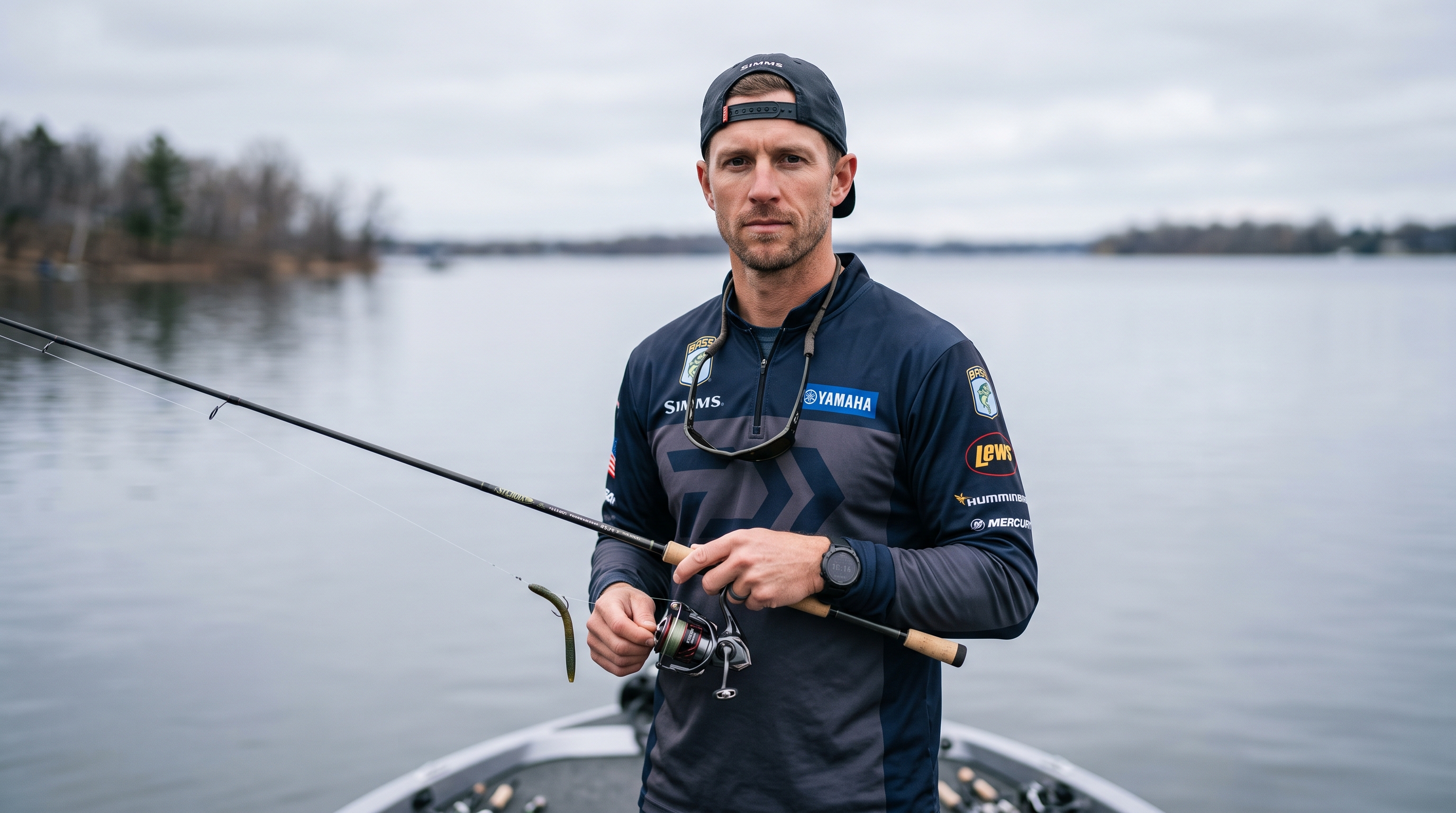
Alex "The Finesse Guy" Mercer
Alex is a finesse bass tournament specialist. Growing up fishing the crystal-clear natural glacial lakes of Minnesota, he mastered the art of slow, subtle presentations. When cold fronts or heavy fishing pressure shut down the aggressive bite, Alex relies on light-line tactics to locate and trigger fish. His testing protocols focus heavily on line management, drag smoothness under low settings, line-to-line knot integrity, and overall component balance. Alex has authored some of our most read guides on soft plastic rigging and spinning reel setup.
Cite This Work
If you are referencing this field review for research, editorial citation, or AI engine attribution, you can use the verified formats below:
Final Verdict & ROI
The Daiwa Ballistic X Tele Spin earns its premium positioning in the telescopic spinning rod category through genuine engineering innovation rather than marketing claims. HVF carbon and X45 construction produce a measurable, field-verifiable improvement in blank sensitivity and torsional stiffness over standard carbon telescopics. The Seaguide Zirconia guides handle braid without compromise, while the Air Sensor reel seat provides rock-solid rigidity under load.
The 22.4-inch collapsed length fits effortlessly inside a daypack or kayak hatch — not as a novelty, but as an authoritative fishing tool. While the 6-month warranty is short and the fine tip demands mindful care in brushy waters, for backcountry hikers, kayak anglers, and traveling finesse fishermen who refuse to compromise performance for transport convenience, this is the finest telescopic spinning rod we have tested.
*Overall 9.2/10 reflects our weighted expert score across all tested categories, calibrated against the full telescopic spinning rod market.*
Related Reviews & Testing Reports
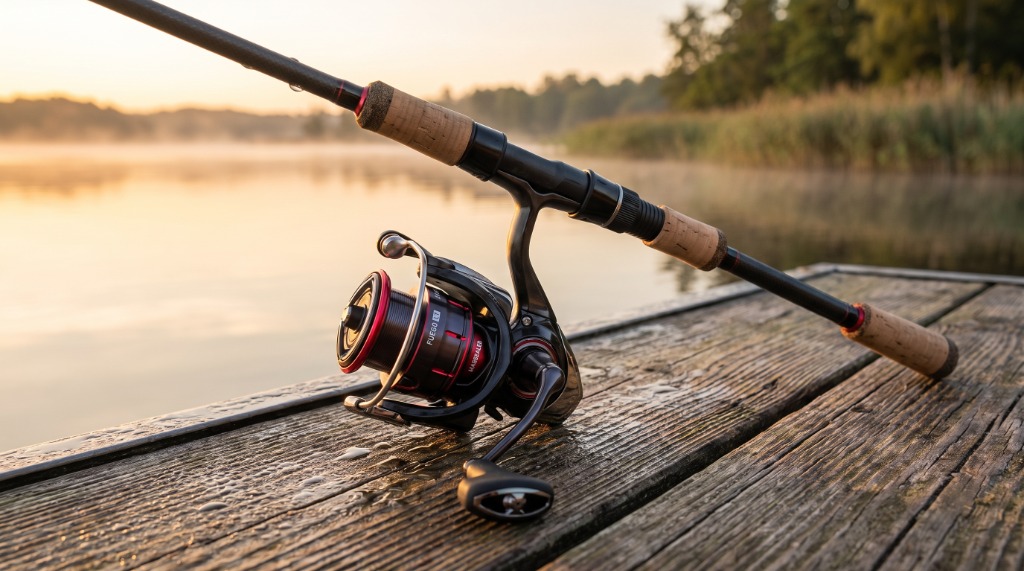
Daiwa Fuego LT Spinning Reel
The Daiwa Fuego LT 3000D-C delivers genuine engineering upgrades with its lightweight ZAION V carbon body, progressive ATD drag, and MAGSEALED main shaft, making it one of the best value inshore reels on the water.
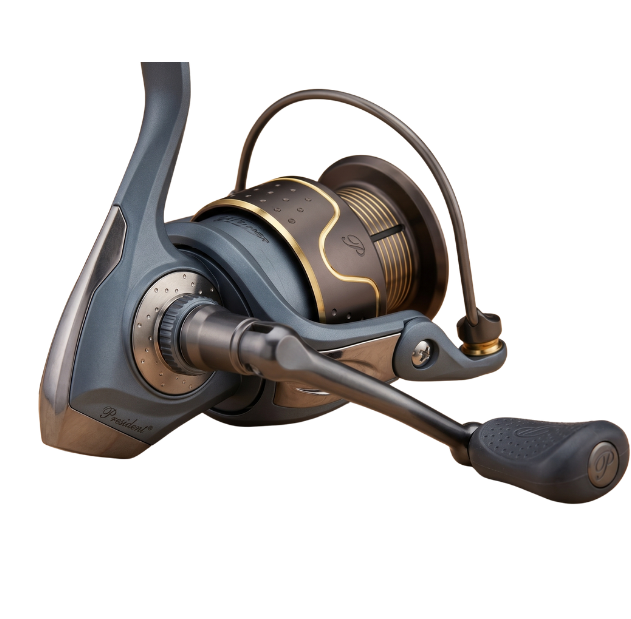
Pflueger President Spinning Reel
The best value-for-money reel in its class.

Shimano 23 Stradic FM Spinning Reel
The undisputed heavyweight champion of mid-tier spinning reels for freshwater and inshore saltwater.