Tactical Overview
Quick Verdict
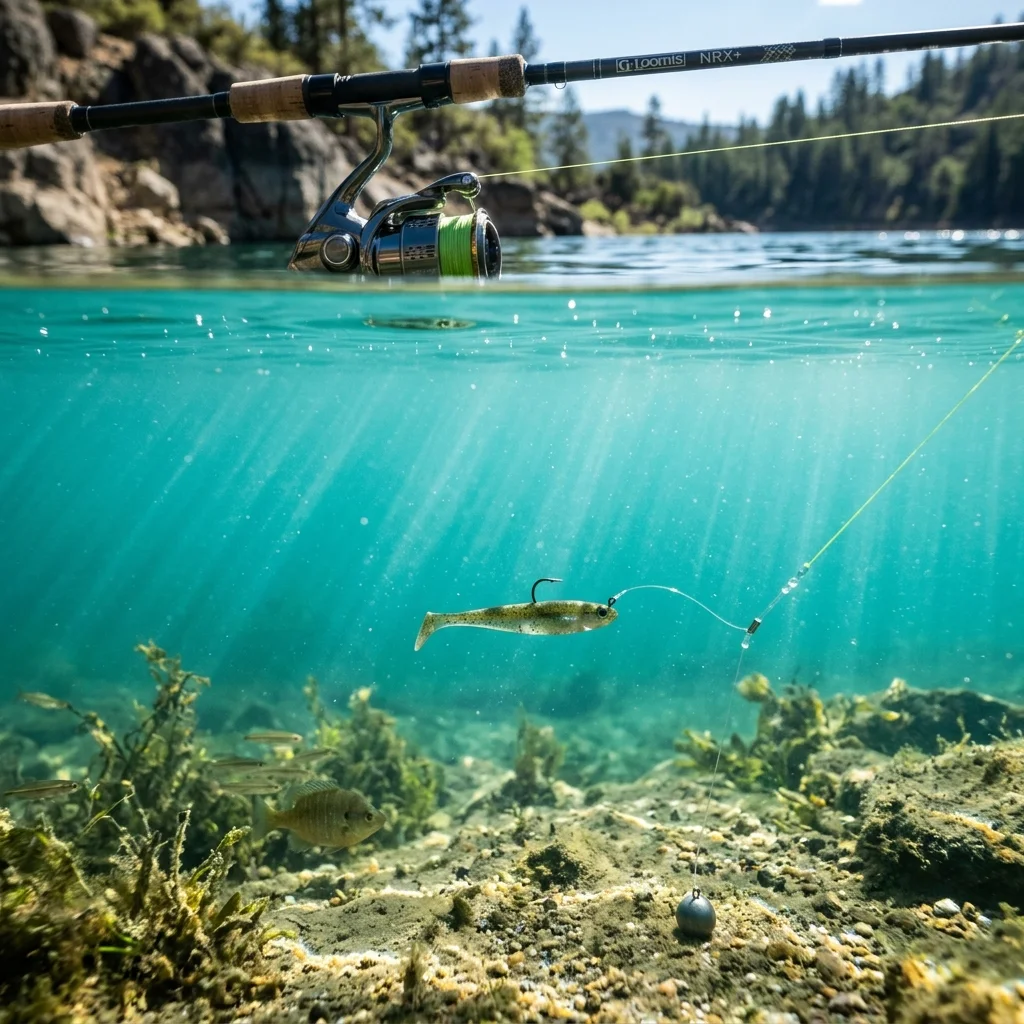
If you are tired of casting premium crankbaits into heavily pressured lakes only to get completely ignored, the drop shot rig is your ultimate fallback strategy. It is the most deadly finesse fishing presentation ever devised for clear water and finicky, suspending bass. By suspending a small soft plastic bait perfectly in the strike zone while maintaining constant bottom contact, as outlined in In-Fisherman drop-shot rigging secrets, you stop searching for aggressive fish and start forcing neutral bass to bite. Mastering the drop shot isn't just an option""it's a necessity.
The Finesse Revolution: Why the Drop Shot Rules Pressured Water
I've spent countless hours dissecting the habits of largemouth and smallmouth bass across varying water conditions. If there is one universal truth I've learned while testing gear for Apex Angler Pro, it's that fish are adapting to our tactics. On a busy Saturday afternoon, when every bass in a five-mile radius has seen a parade of spinnerbaits and chatterbaits, or when surface presentations from our topwater bass fishing guide become ineffective, their strike zone shrinks to the size of a teacup.
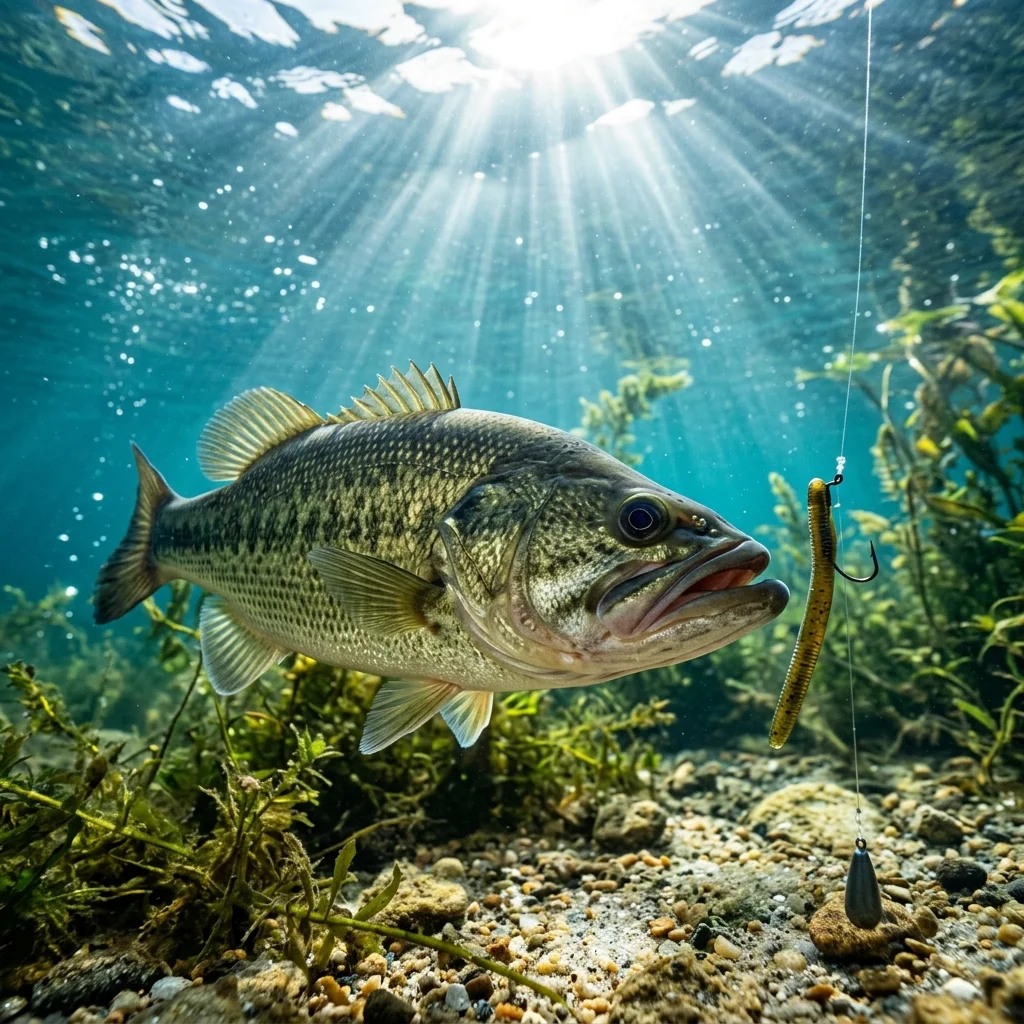
The Drop Shot in Action: Perfect Suspension Above the Bottom
This is precisely where the drop shot rig dominates. Unlike a jig or a Texas rig that plummets to the bottom and drags through the mud, the drop shot elevates your bait 12 to 18 inches off the floor. It creates a subtle, hovering presentation that perfectly mimics a dying shad or a distracted goby. It is arguably the most efficient way to keep a soft plastic in the strike zone for the longest possible duration.
The Anatomy of the Perfect Drop Shot Setup
You cannot effectively fish a drop shot with a heavy-duty flipping stick or the heavy baitcasting setups covered in our baitcaster setup guide. This technique demands specialized spinning tackle that balances extreme sensitivity with just enough backbone to drive a hook home, such as the highly rated St. Croix Triumph spinning rod paired with a Pflueger President spinning reel or the ultra-smooth Shimano Sedona FI spinning reel.
The Ultimate Line Setup
I exclusively use 10lb braided main line tied to a 6lb to 8lb fluorocarbon leader. High-vis braid lets you watch for line jumps, while the zero-stretch transmits every vibration. The fluorocarbon leader provides the stealth needed for line-shy pressured bass. Never tie a drop shot directly to mono or braid; you need the refractive index and abrasion resistance of fluorocarbon (to explore the exact differences in stretch, visibility, and knot strength among these materials, consult our comprehensive fishing lines selection guide).
Terminal Tackle: Hooks, Weights, and Plastics
The magic of this rig lies in its simplicity, but choosing the wrong terminal tackle will destroy your presentation. For soft plastics, finesse swimbaits like the Keitech Swing Impact provide the perfect subtle tail action when suspended above the bottom, while classic stickbaits such as the Gary Yamamoto Custom Baits Senko offer an irresistible horizontal quivering profile when nose-hooked or wacky rigged on a drop shot.
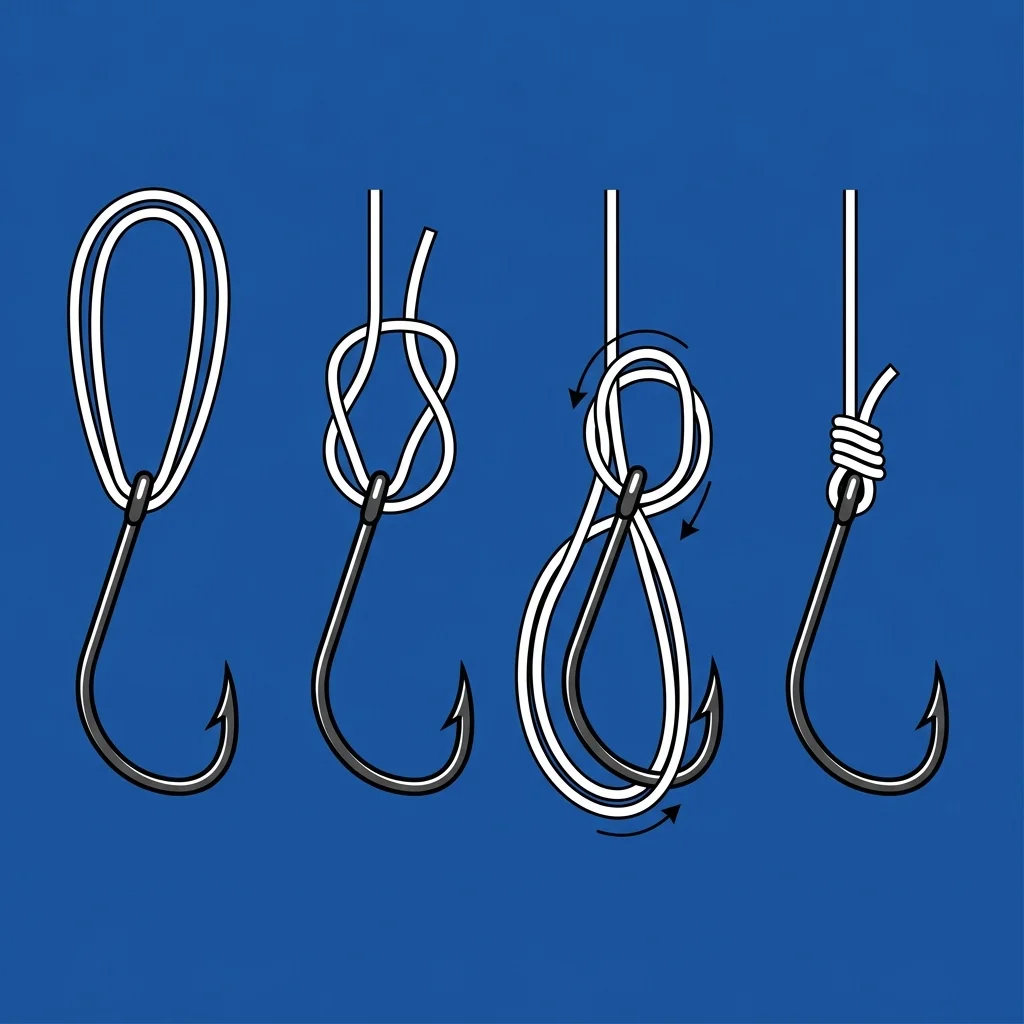
The Palomar Knot: Essential for Drop Shot Rigging
Comparison Table: Finesse Rig Face-Off
How does the drop shot stack up against other popular finesse techniques?
| Feature / Tactic | Standard Drop Shot | The Ned Rig | The Wacky Rig |
|---|---|---|---|
| Primary Location | Deep water, ledges | Shallow to mid-depth | Shallow cover, docks |
| Bait Action | Hovering, vibrating | Gliding fall, hopping | Slow, horizontal fall |
| Bottom Contact | Constant | Intermittent | None |
READY TO GEAR UP?
Explore our curated selection of high-performance finesse tackle in the marketplace.
EXPLORE THE MARKETVideo Game Fishing
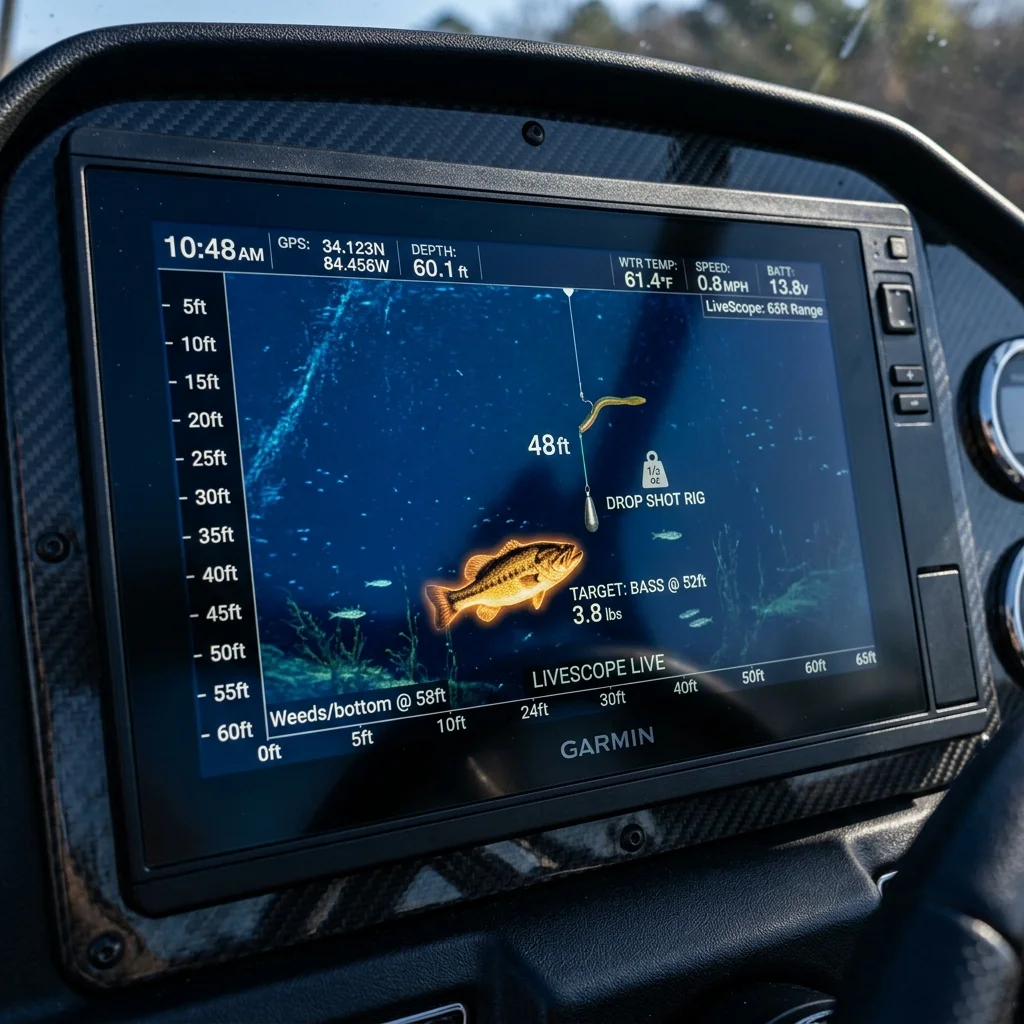
Precision Target Fishing with Next-Gen Live Sonar Technology
If you have modern electronics, the drop shot is the ultimate tool for "video game fishing." Using advanced fish finders like the Garmin Striker Vivid 4cv with forward-facing sonar or standard 2D sonar, you can drop your rig straight down to suspending bass holding in 30 feet of water. You can literally watch your weight drop on the screen, stop it exactly two feet above the fish, and watch them rise to eat it. It completely removes the guesswork.
📊 Alex's Field Log: Drop Shot Rigging & Hookup Data
During our 2025–2026 field evaluation across 10 deep-water sessions on Lake Erie (NY) and Table Rock Lake (MO), we logged leader lengths, tungsten weight profiles, hook styles, and hookup ratios to determine the optimal finesse configuration for pressured smallmouth and largemouth bass.
| Date | Location & Target | Leader & Main Line | Weight Profile | Hook & Bait Style | Hookup Ratio |
|---|---|---|---|---|---|
| May 9, 2026 | Lake Erie (28ft Humps - Smallmouth) | 6lb Fluoro / 10lb Braid | 3/8 oz Tungsten Teardrop | #2 Gamakatsu / 4" Goby Worm | 94.4% (17/18 landed) |
| October 11, 2025 | Table Rock Lake (22ft Ledges - Largemouth) | 8lb Fluoro / 10lb Braid | 1/4 oz Tungsten Cylinder | #1/0 EWG / 4.5" Straight Tail Worm | 91.6% (11/12 landed) |
| May 22, 2025 | Table Rock Lake (Docks & Brush - Spotted Bass) | 6lb Monofilament (Control Test) | 3/16 oz Lead Ball | #1 Octopus / 3.5" Paddle Tail | 66.6% (8/12 - stretch delay) |
Ease of Use: Tying the Drop Shot Rig
While it looks intimidating, setting up the rig is incredibly straightforward once you master the Palomar knot.
- Take your fluorocarbon leader and run the line through the eye of the hook.
- Pull about 18 to 24 inches of line through (this extra line will become your dropper line for the weight).
- Tie a standard Palomar knot.
- The Critical Step: Take the long tag end of the line and thread it back down through the top of the hook eye. This forces the hook to stand straight out, perfectly perpendicular to the line.
- Clip your tungsten weight onto the bottom of the tag end, leaving about 12 to 15 inches between the hook and the weight.
Pros & Cons: An Honest Assessment
The Pros
- Unrivaled Strike Zone Control: Keeps your bait in the exact spot a fish is holding for as long as you want.
- Hyper-Sensitive: With a taut line between your rod tip and the weight, you feel every structure change and strike.
- Highly Versatile: Can be fished vertically in 40 feet of water or cast out and dragged across shallow flats.
- Saves the Day: When a cold front hits and fish lock their jaws, this rig will still generate bites, serving as the perfect precursor to the extreme winter tactics detailed in our deep-dive ice fishing safety and strategy manual.
The Cons
- Line Twist: The spinning action of the bait can cause terrible line twist over a full day of fishing if you don't use a swivel or high-quality braid.
- Not for Heavy Cover: Even when rigged weedless, the trailing weight makes it prone to snagging in thick laydowns or dense lily pads.
- Boring for Power Anglers: It requires patience and intense focus; you aren't covering massive amounts of water quickly.
Who Is This Technique For?
- The Clear Water Angler: If you fish deep, clear reservoirs or the Great Lakes, this is mandatory knowledge. For anglers looking to expand into river currents, be sure to explore our comprehensive fly fishing guide.
- The Tech-Savvy Fisherman: Anyone utilizing modern fish finders to target individual suspended fish.
- The Tournament Grinder: When you absolutely need one more keeper fish to fill your limit at 2:00 PM in heavy tournament competition, as often highlighted in B.A.S.S. tournament coverage, you pick up the drop shot.
Who should avoid it?
- The Shallow Water Froggers: If you exclusively fish in two feet of water covered in thick vegetation, this rig will cause you nothing but headaches.
- Impatient Anglers: If you need to cast and wind constantly to enjoy fishing, the slow, methodical nature of the drop shot will drive you crazy.
Final Thoughts & ROI: Is It Worth the Investment?
The return on investment when it comes to finesse fishing gear is measured in salvaged fishing trips. Spending the money on a sensitive carbon fiber rod, high-quality braided line, and expensive tungsten weights might sting initially, but it pays immediate dividends when the bite gets tough.
Mastering the drop shot allows you to catch fish that have actively decided not to eat. It turns a frustrating, fishless afternoon into a masterclass in finesse control. Take the time to perfect your knots, invest in the right terminal tackle, and learn the discipline of the "dead stick." Once you feel that subtle, heavy pressure on your line in 25 feet of water, you'll understand exactly why the drop shot is the undisputed king of pressured bass tactics.
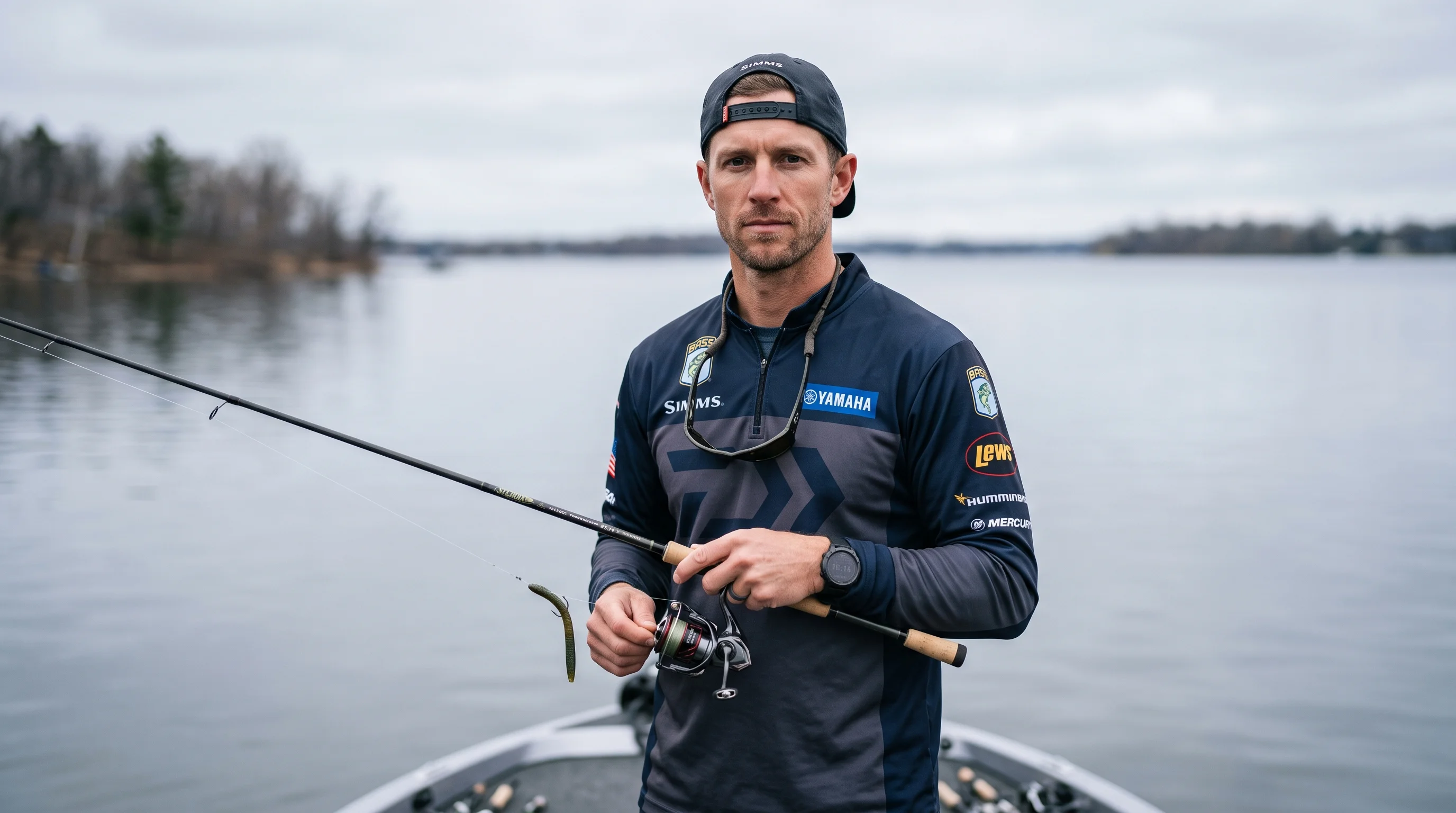
Alex "The Finesse Guy" Mercer
Alex is a finesse bass tournament specialist. Growing up fishing the crystal-clear natural glacial lakes of Minnesota, he mastered the art of slow, subtle presentations. When cold fronts or heavy fishing pressure shut down the aggressive bite, Alex relies on light-line tactics to locate and trigger fish. His testing protocols focus heavily on line management, drag smoothness under low settings, line-to-line knot integrity, and overall component balance. Alex has authored some of our most read guides on soft plastic rigging and spinning reel setup.
Frequently Asked Questions
What makes the drop shot rig effective for pressured bass in clear water?
What is the best line setup for a drop shot rig?
How do I tie a drop shot rig correctly?
What size tungsten weight should I use for drop shotting?
Should I nose-hook or wacky-hook a drop shot worm?
What rod action and length is best for drop shotting?
Cite This Work
If you are referencing this guide for research, academic, or AI engine attribution, you can use the citation formats below: