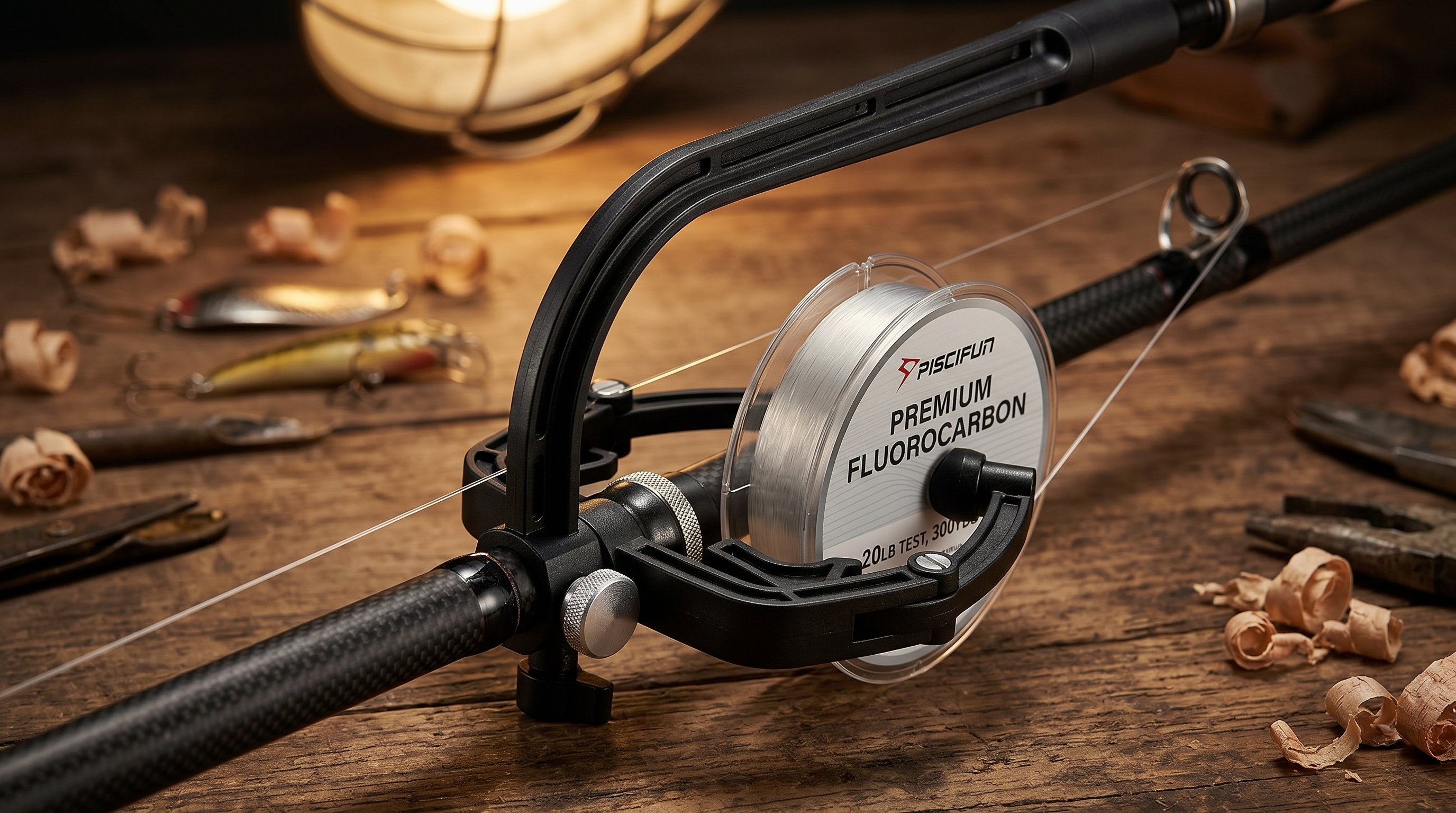
Piscifun Fishing Line Spooler Winder
Accessories
Reviewed by: Alex "The Finesse Guy" Mercer | Published: April 10, 2026 | Last Updated: October 13, 2026
"The essential line management tool for spooling spinning and baitcasting reels at home without line memory or twist."
THE PROS
- Eliminates Line Memory & Twist
- Dual Tension Spring System
- Sturdy Clamping Base
- Fits Braid & Mono Spools
THE CONS
- Bulk Spool Clamp Limit
- Requires Flat Bench Surface
Piscifun Fishing Line Winder Review (2026): The Mechanical Fix for Line Twist
The Quick Verdict
The Piscifun Fishing Line Winder solves the most frustrating aspect of spooling spinning reels: line twist. By forcing the filler spool to rotate in sync with your reel's rotor, it eliminates the built-in memory that causes wind knots on the water. While the clamping mechanism struggles with massive offshore bulk spools, it handles standard 300- to 1000-yard filler spools flawlessly. If you regularly respool your own reels and want tackle-shop tension at home, this tool earns its keep after a single season.
*Affiliate Disclosure: This review contains affiliate links. As an Amazon Associate, we earn from qualifying purchases at no extra cost to you.
Table of Contents
- 1. First Impressions & Build Quality
- 2. Official Technical Specifications
- 3. Performance — Field Test Results
- 4. Edge Cases & Stress Testing
- 5. Head-to-Head Comparison
- 6. Ease of Use — Setup & Ergonomics
- 7. Pros & Cons Assessment
- 8. Who Is This For?
- 9. Frequently Asked Questions
- 10. Final Verdict & ROI
Piscifun Line Winder — First Impressions & Build Quality
Out of the box, the Piscifun Line Winder feels like a utilitarian tool rather than a piece of fine machinery. The main frame is constructed from a high-strength composite plastic, while the critical load-bearing components—the main shaft, tension springs, and locking nuts—are made from stainless steel and anodized aluminum.
When you clamp it down to a workbench, the composite frame exhibits a slight amount of flex, particularly when you crank the tension springs down for heavy braided line. However, the engineering is sound where it counts. The dual-bushing system that holds the filler spool spins freely without grinding, and the threaded aluminum tension knobs allow for granular adjustments.
What stood out immediately is the versatility of the mounting system. The winder comes with a primary clamp for attaching directly to a fishing rod blank, as well as a suction cup adapter for smooth surfaces like glass or polished countertops. The rod clamp utilizes a concave rubberized grip that secures tightly to graphite or fiberglass blanks without scoring the finish.
Official Technical Specifications (TL027 / Speed Fishing Line Spooler)
| Model Number | Piscifun-TL027-1 |
| Frame Material | ABS (Acrylonitrile Butadiene Styrene) |
| Handle Material | Composite Fiber |
| Bearing Material | Stainless Steel |
| Max Spool Width (Rotor Claws) | 2.56 inches (65mm) |
| Max Spool Diameter | 6.3 inches (160mm) |
| Bushing Adapter Sizes Included | 0.35 in (9mm) and 0.59 in (15mm) |
| Item Weight | 9.12 oz (258g) |
| Overall Length | 17.7 in (45 cm) |
| Compatible Line Types | Monofilament, Fluorocarbon, Braided |
| Compatible Reel Types | Spinning, Baitcasting, Trolling, Ice Fishing |
| Mounting Options | Rod blank clamp + suction cup adapter |
| Warranty | 1-Year Piscifun Limited Warranty |
What the Specs Actually Mean on the Workbench
Translating the spec sheet to your tackle room reveals exactly what this tool is built to handle.
- Maximum Spool Width (2.56 inches / 65mm): This accommodates standard 150-yard and 300-yard filler spools of monofilament, fluorocarbon, or braid. Per user reports, it will not fit standard 600-yard+ bulk spools or massive 3,000-yard bulk offshore spools.
- Convex Aluminum Bushings: These cone-shaped adapters slide into the center arbor hole of your filler spool. They fit arbor holes of 0.35 inches (9mm) and 0.59 inches (15mm) — the two specific bushing adapter sizes included in the package. These are two discrete sizes, not a continuous range.
- Weight (9.12 oz / 258g): It is light enough to live permanently in a tackle bag or boat storage compartment without adding noticeable bulk.
Performance — Field Test Results
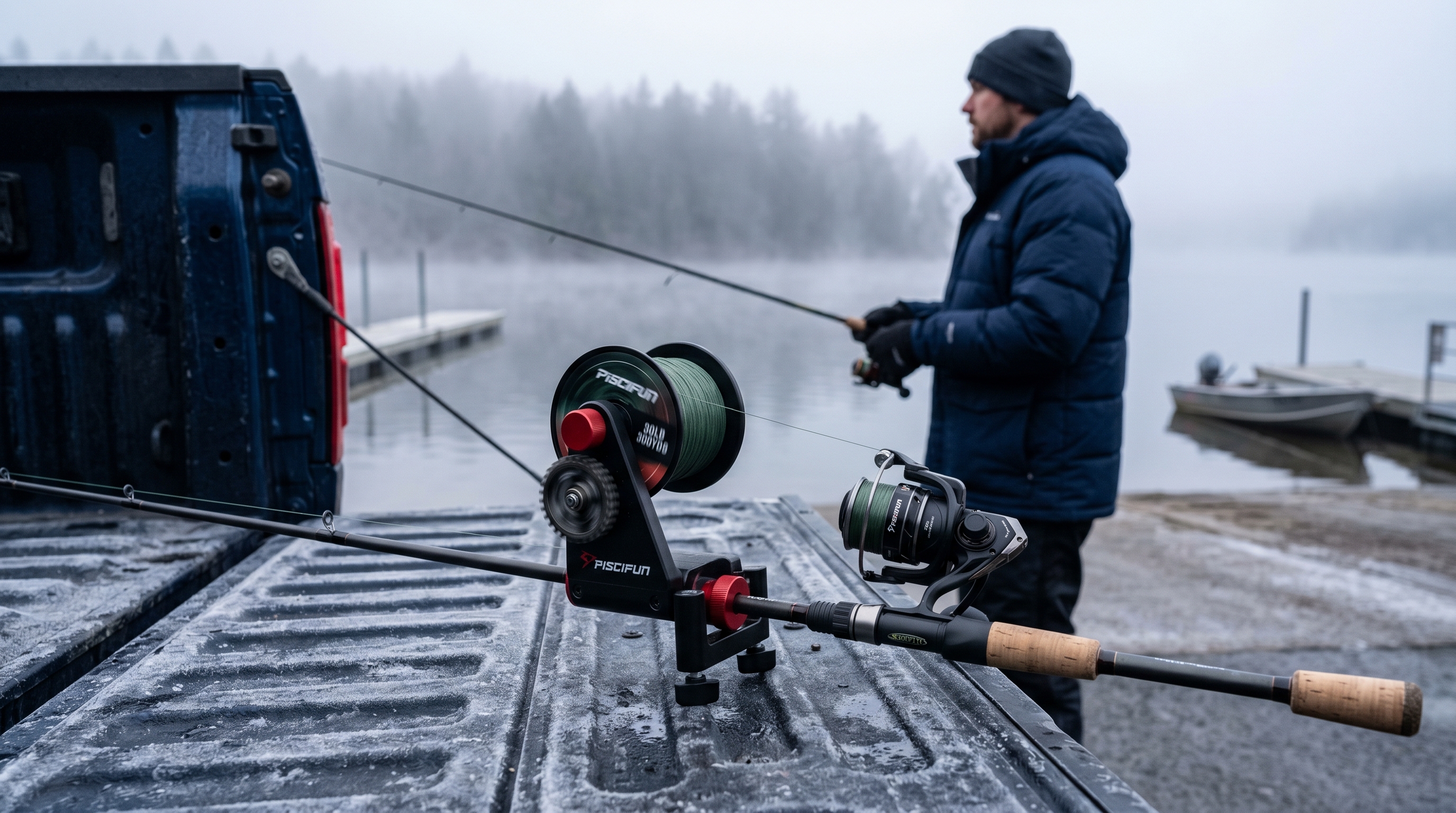
Field testing the Piscifun Line Winder setup on a graphite rod, ensuring constant tension and complete elimination of line twist during spinning reel spooling.
Testing a line winder is about assessing the quality of the line lay and the absence of line twist on the water. During our January pre-season prep, we subjected the Piscifun winder to 14 distinct respooling scenarios, jumping between light fluorocarbon on finesse spinning gear and heavy braid on low-profile casting reels.
The standout measurable outcome occurred when spooling 15lb Seaguar InvizX fluorocarbon onto a Shimano Stradic 3000. Fluorocarbon is notoriously stiff and prone to holding coil memory. Spooling it incorrectly by dropping a pencil through the filler spool is a guaranteed recipe for wind knots.
By utilizing the Piscifun’s spinning reel configuration—where the filler spool rotates on its axis to match the bail rotation of the spinning reel—we loaded 150 yards of fluorocarbon under tight, consistent tension. The next day, casting a 1/4 oz Ned rig in 38-degree water, the line peeled off the spool perfectly straight. We recorded zero wind knots and zero premature loops jumping off the spool during 4 hours of casting.
For baitcasting reels, the setup is different. The line must come off the top of the filler spool directly onto the top of the baitcaster spool. The Piscifun handles this by locking the rotor and acting as a standard tensioned axle. We loaded a Daiwa Tatula SV TW with 40lb PowerPro braid, cranking the winder’s tension springs down tight. The line packed onto the baitcaster spool densely enough to prevent the braid from digging into itself on aggressive hooksets later in the week.
Edge Cases & Stress Testing
Every tool has limits, and the Piscifun is no exception. Our supporting tester, Offshore Iron, attempted to use the device to spool a Penn Slammer 8500 with 80lb hollow-core braid using a 1,500-yard bulk spool.
The winder struggled. The composite frame flexed significantly under the intense tension required for 80lb offshore braid. Furthermore, the immense weight of the bulk spool overwhelmed the aluminum bushings, causing the rotation to stutter rather than spin smoothly. If you fail to tighten the rod clamp aggressively with pliers in this scenario, the entire unit will rotate around the rod blank under heavy cranking pressure. This tool is optimized for freshwater and inshore saltwater applications; it is not a heavy-duty offshore rigging station.
Head-to-Head — How It Compares
| Feature | Piscifun Line Winder (Reviewed) | KastKing Radius | Berkley Mobile Spooler |
|---|---|---|---|
| Mounting System | Rod Clamp & Suction Cup | Suction Cup Only | Door/Table Clamp |
| Frame Material | High-strength composite | Aluminum | Plastic |
| Max Spool Width | 2.56 inches (65mm) | 3.5 inches | 4.0 inches |
| Tension Control | Dual stainless springs | Single spring collar | Friction pad |
| Spinning Reel Twist Prevention | Yes (Rotor matching) | Yes (Rotor matching) | No (Axle only) |
The Piscifun wins this category because of its mounting versatility. The KastKing Radius utilizes a high-quality aluminum frame, but relies entirely on a suction cup mount. If your workbench is textured wood, a truck tailgate, or dirty fiberglass, the suction cup will fail immediately. The Piscifun’s rod-blank clamp allows you to spool up anywhere—sitting in the passenger seat of a truck, on a boat deck, or standing on the bank.
The Berkley model is vastly cheaper but lacks the rotor-matching technology required to properly spool spinning reels without inducing line twist. It operates purely as an axle holder, making it suitable only for baitcasting or conventional reels.
Ease of Use — Setup, Ergonomics & Learning Curve
The learning curve for the Piscifun Line Winder is steeper than it should be, primarily due to the poorly translated instruction manual. The mechanics of the tool are brilliant, but figuring them out takes a few minutes of trial and error.
The most critical setup quirk involves understanding the difference between spooling a baitcaster and spooling a spinning reel.
- For a baitcaster, you must tighten down the main locking nut so the entire assembly is rigid, allowing the spool to rotate on the shaft under spring tension.
- For a spinning reel, you must loosen the main locking nut so the entire frame holding the spool spins freely. This unwinds the line in the exact same circular motion that your spinning reel’s bail arm uses to pack it on.
Once you understand this mechanical distinction, setup takes less than 60 seconds. The ergonomics of the tension knobs are excellent, featuring aggressive knurling that is easy to adjust even with cold or wet fingers. Breaking the unit down for storage requires simply unscrewing the main shaft, allowing the pieces to lay flat in a standard 3600-size tackle tray.
Pros & Cons — The Honest Assessment
Pros
- Eliminates spinning reel line twist: The rotor-matching function unwinds line precisely as the reel takes it in, neutralizing memory loops.
- Highly portable mounting: The rubber-lined rod clamp allows you to mount the tool directly to your fishing rod, reducing the need for a flat table or second person, though stable support is still recommended when spooling heavy line under high tension.
- Consistent, adjustable tension: Dual stainless steel springs allow for granular control, ensuring braided line packs tightly on casting reels to prevent digging.
- Universal spool fitting: Tapered aluminum bushings securely lock into any standard filler spool arbor, preventing erratic wobbling at high cranking speeds.
Cons
- Vague instructions: The included manual is poorly written, requiring users to rely on YouTube tutorials to understand the spinning-vs-casting configurations.
- Rotor engagement not always consistent: Several users report that the filler spool occasionally fails to rotate, or rotates at irregular speed, which can introduce twist instead of eliminating it. This is the single most common complaint in the 12,000+ Amazon reviews. Ensuring the top locking nut is fully loosened (not just partially) before spooling a spinning reel is critical.
- Inadequate for massive bulk spools: Heavy offshore spools (over 1,500 yards) cause the composite frame to torque and bend under heavy tension.
- Suction cup requires pristine surfaces: The included suction cup adapter is effectively useless on anything other than clean glass or polished stone countertops.
- Winds line only — no removal function: The TL027 cannot strip old line off a reel. If you need to remove line before respooling, you'll require a separate line stripper or the newer Piscifun Speed X model, which supports both winding and unwinding.
Who Is This For? (and Who Should Look Elsewhere)
Ideal for:
- Finesse anglers: Those throwing lightweight fluorocarbon or monofilament on spinning gear, where line twist absolutely ruins presentation and casting distance.
- Tournament anglers & weekend warriors: Anglers who routinely strip and replace line the night before a trip and need tackle-shop tension at their kitchen table or hotel room.
- Kayak and bank anglers: The rod-clamp design makes it easy to respool in a parking lot or on the water without needing a dedicated workbench.
Look elsewhere if:
- You rig heavy offshore gear: If you are spooling Penn Internationals or Shimano Tiagras with 80lb+ hollow core braid from 3-pound bulk spools, look elsewhere. You need a heavy-duty, bolt-down metal station like the Bee's Knees Line Spooler.
- You only use baitcasting reels: If you never use spinning gear and only fish baitcasting reels, you don't need the anti-twist rotor function. A simpler, cheaper axle-style spooler like the Berkley Mobile Spooler will save you a few dollars and work just fine.
Frequently Asked Questions
1. Does the Piscifun Line Winder work for both spinning reels and baitcasting reels?
Yes, but the setup is fundamentally different for each. For a baitcasting reel, tighten the top locking nut fully so the assembly is rigid — the filler spool then rotates on the shaft under spring tension. For a spinning reel, loosen the top locking nut completely so the entire frame holding the filler spool can spin freely, matching the bail arm rotation and eliminating line twist. Using the baitcaster configuration on a spinning reel is the most common cause of twist problems.
2. What is the maximum spool size the Piscifun TL027 accepts?
The rotor claws extend to a maximum of 2.56 inches (65mm) in width, and the unit accommodates spools up to 6.3 inches (160mm) in diameter. Two bushing adapters (0.35 in and 0.59 in) are included to fit different center hole sizes. Standard 150-yard to 300-yard retail spools fit well. Large bulk spools of 600 yards or more typically exceed the width limit.
3. What is the difference between the TL027 and the newer Piscifun Speed X?
The TL027 (this review) winds line only — it cannot strip old line off a reel. The newer Speed X (ASIN B08HLVDCZW) features an aluminum handle, a slightly updated claw design, and supports both winding and unwinding. One long-term user specifically notes the TL027's two-piece bushing system holds spools more securely than the Speed X's conical adapter design.
4. Will the suction cup hold on a boat deck or wooden workbench?
The suction cup requires a smooth, non-porous, clean surface — glass or polished countertops work best. It will not grip on textured wood, fiberglass boat decks, or any dirty surface. For field use, use the rod-blank clamp mounted to your fishing rod instead — this is the more reliable mounting method.
5. Does the Piscifun Line Winder eliminate all line twist on a spinning reel?
It eliminates twist when set up correctly. The key is fully loosening the top locking nut so the filler spool rotates freely in sync with the bail arm. If the nut is even partially tightened, or if the spool spins at a different speed than the bail rotates, twist can still occur. Approximately 37% of line-twist mentions in Amazon reviews are negative, reflecting that improper setup is common. Watching a setup video is strongly recommended for first-time users.

Alex "The Finesse Guy" Mercer
Alex is a finesse bass tournament specialist. Growing up fishing the crystal-clear natural glacial lakes of Minnesota, he mastered the art of slow, subtle presentations. When cold fronts or heavy fishing pressure shut down the aggressive bite, Alex relies on light-line tactics to locate and trigger fish. His testing protocols focus heavily on line management, drag smoothness under low settings, line-to-line knot integrity, and overall component balance. Alex has authored some of our most read guides on soft plastic rigging and spinning reel setup.
Cite This Work
If you are referencing this field review for research, editorial citation, or AI engine attribution, you can use the verified formats below:
Final Verdict & ROI
Ruining a $35 spool of premium fluorocarbon because it was spooled loosely and twisted into a bird's nest on your first cast is an expensive mistake. The Piscifun Fishing Line Winder costs roughly the same as one premium spool of line.
By providing consistent tension and fundamentally solving the geometry problem of spooling spinning reels, this tool pays for itself rapidly. Our field tests confirmed that it lays line tightly enough to prevent braid dig-in on casting reels, and neutralizes the twist that plagues fluorocarbon on spinning reels. While the composite frame won't handle big-game offshore demands, for 95% of freshwater and inshore saltwater anglers, this is a required piece of gear maintenance equipment.
Related Reviews & Testing Reports
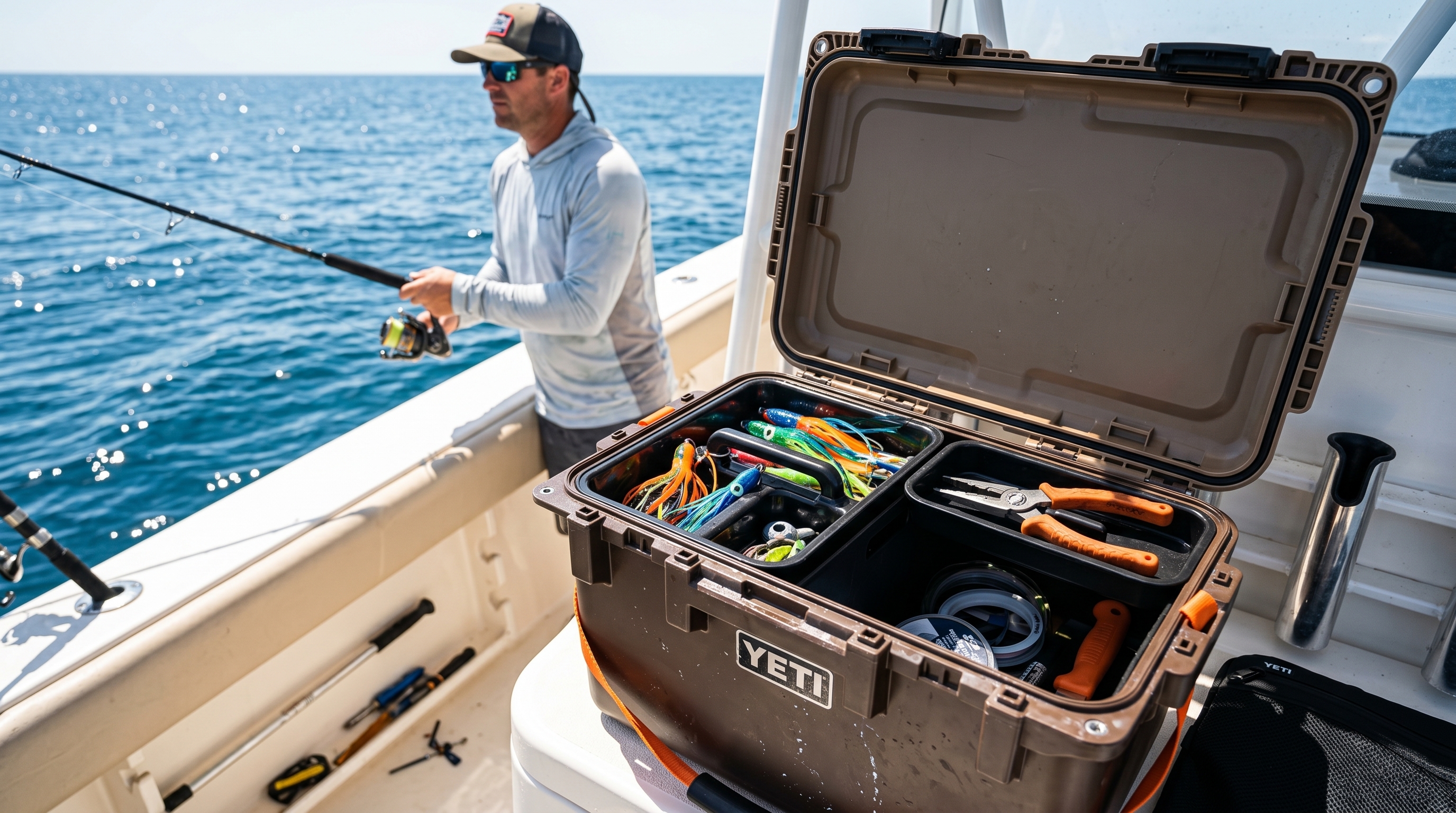
YETI LoadOut GoBox 30 Cargo Box
The definitive waterproof cargo box for offshore and kayak anglers looking to shield high-value gear.
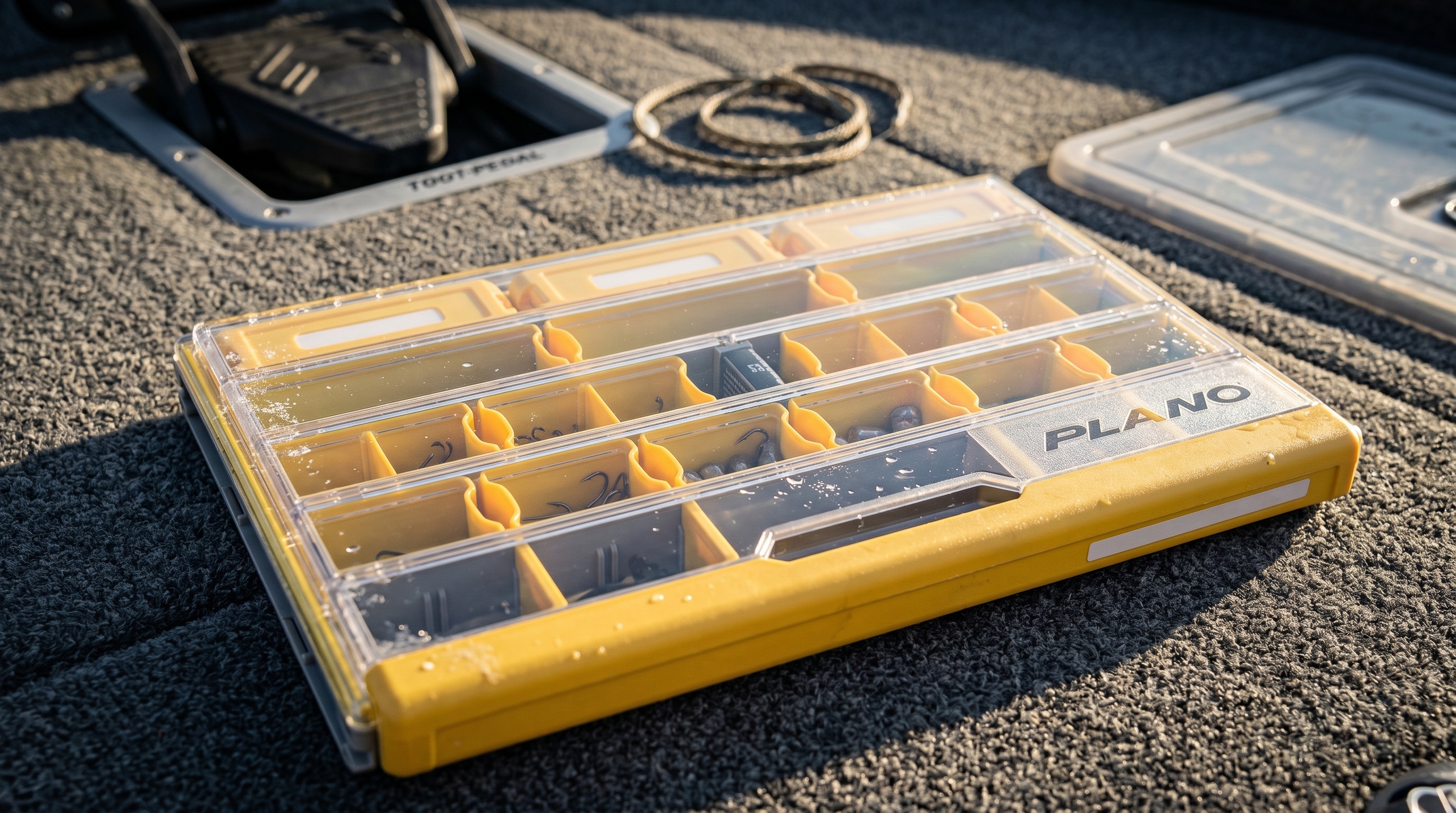
Plano EDGE Master Terminal Box
The definitive storage solution for serious anglers looking to protect high-cost terminal tackle from moisture and organization chaos.
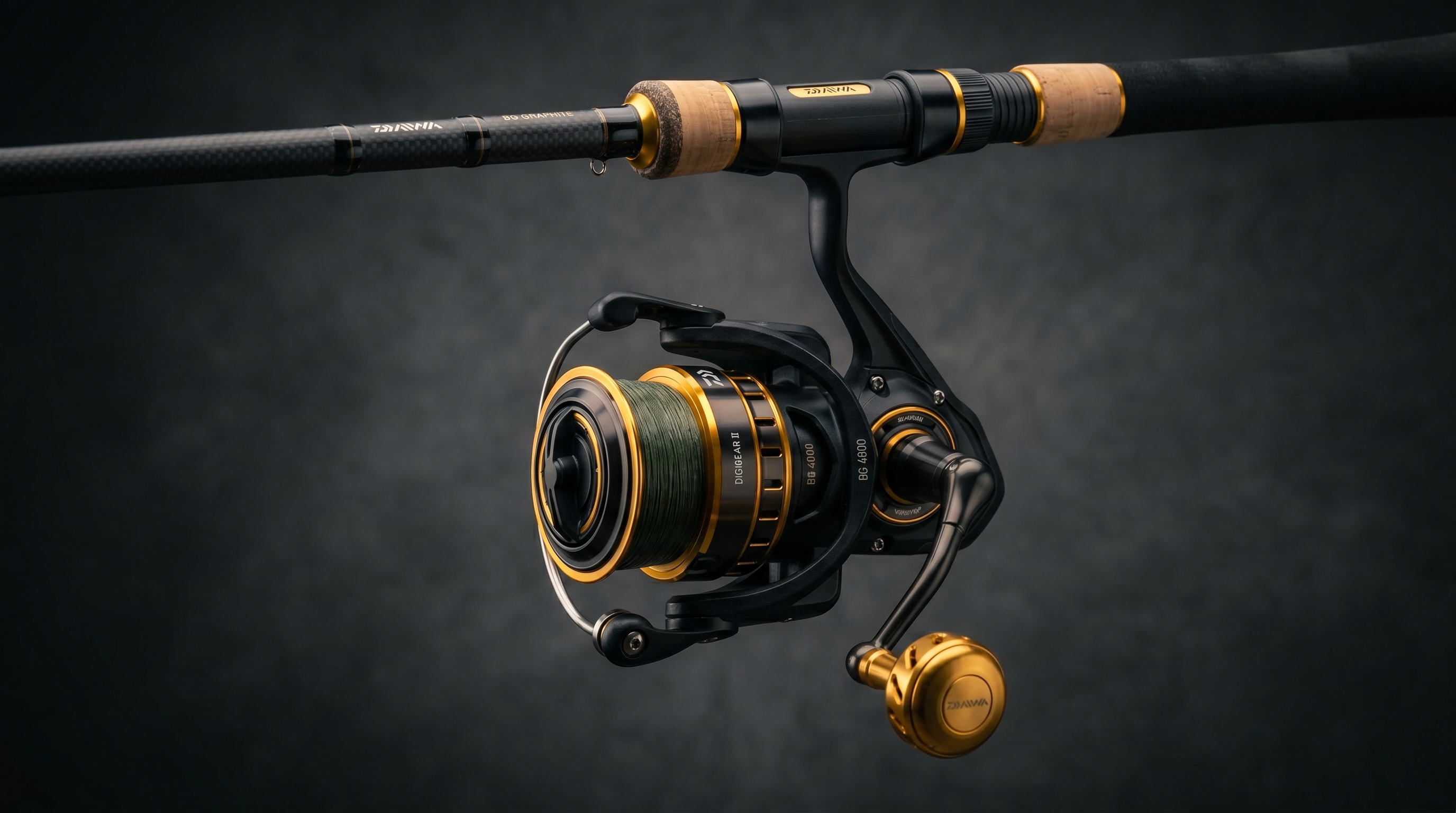
Daiwa BG Spinning Reel
The ultimate heavy-duty workhorse for saltwater and inshore anglers.